
Sunlight is one of a collector's quietest threats. Over weeks on a windowsill — and sometimes in mere minutes — light can make a prized crystal fade, darken, or change colour entirely, and most of it never comes back. It is dictated by how a crystal gets its colour in the first place.
The most common fate — the colour simply washes out and pales toward colourless as its colour centres are bleached. Often irreversible.
Rather than lightening, the crystal grows darker as light frees a metal (silver or copper) inside it, staining the surface brown, violet or black.
The crystal does not just lose colour — it shifts to a different one entirely as light rearranges its defects.
Some colours are lost mainly to the infrared and heat in sunlight rather than UV — the warmth alone is enough to drive the change over time.
Where the colour was produced by irradiation, light unwinds the treatment and the stone returns to its original, paler self — the natural colour usually stays put.
A rare, special case: the colour shifts under light but returns in the dark. These photochromic stones are not "damaged" so much as switched — though strong sun can still bleach them.
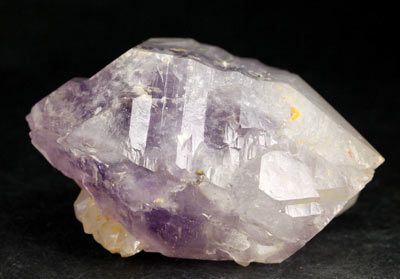


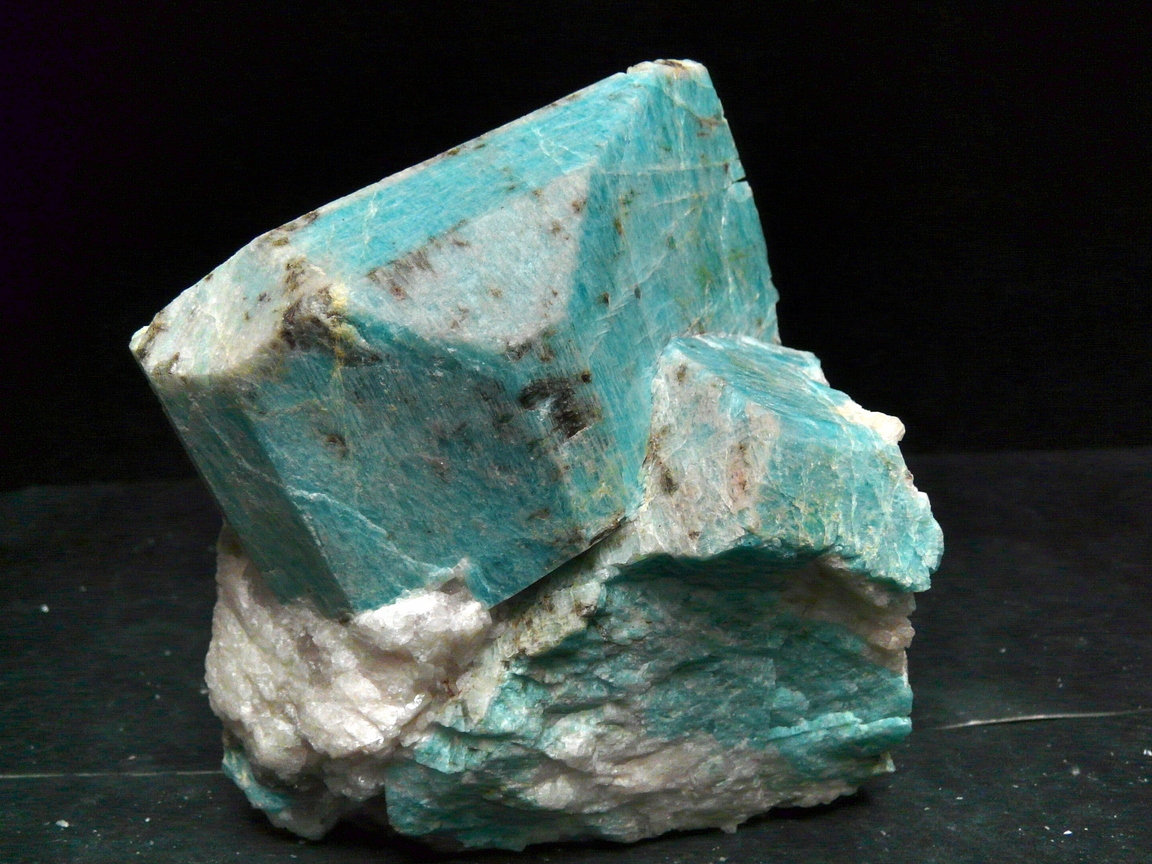

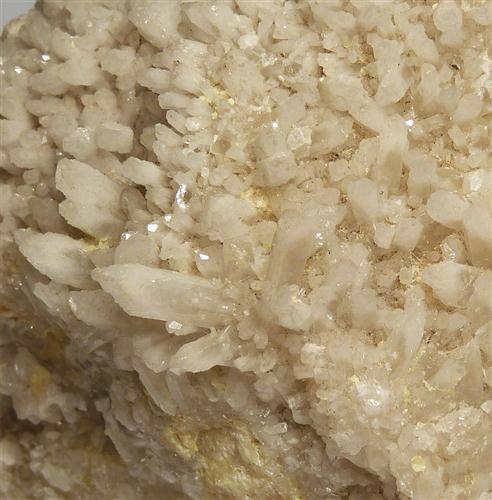
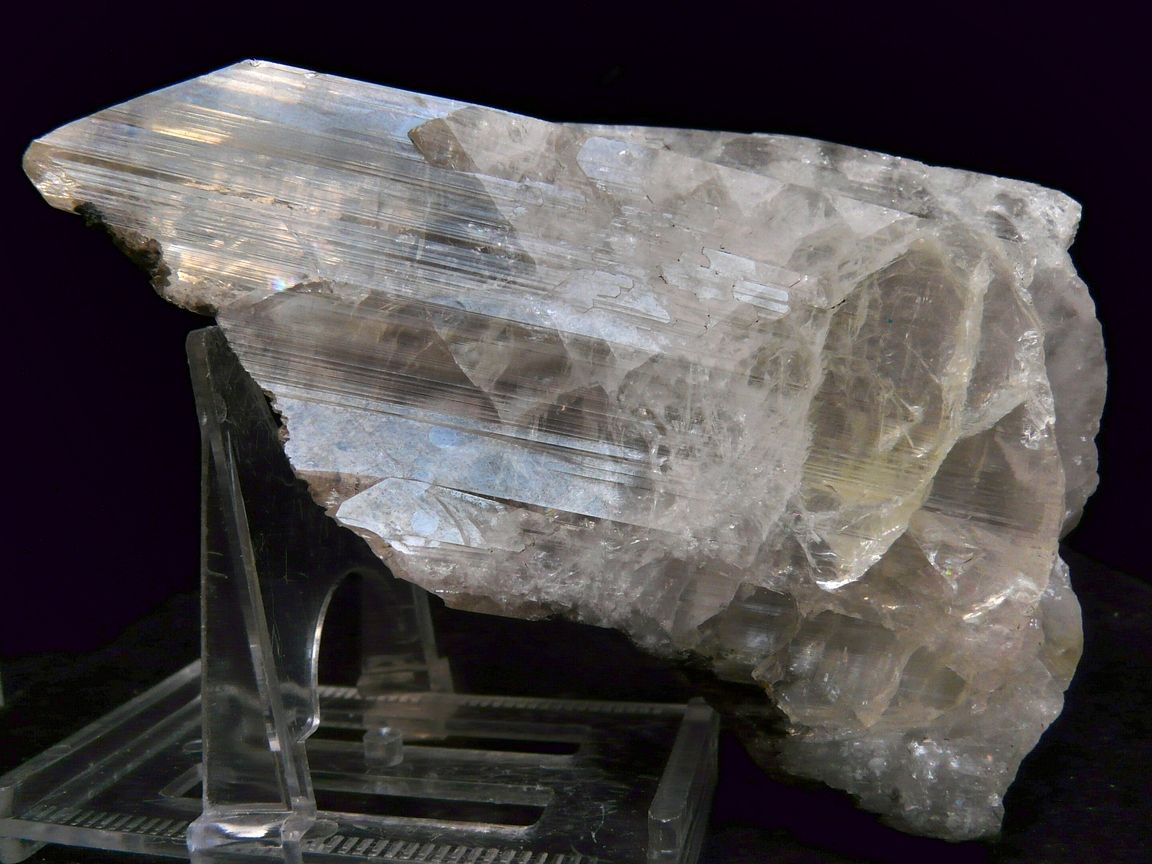


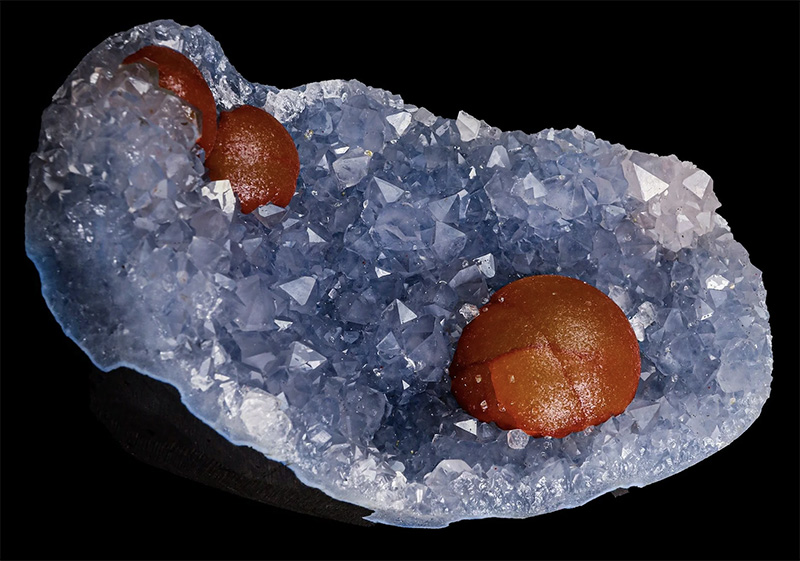
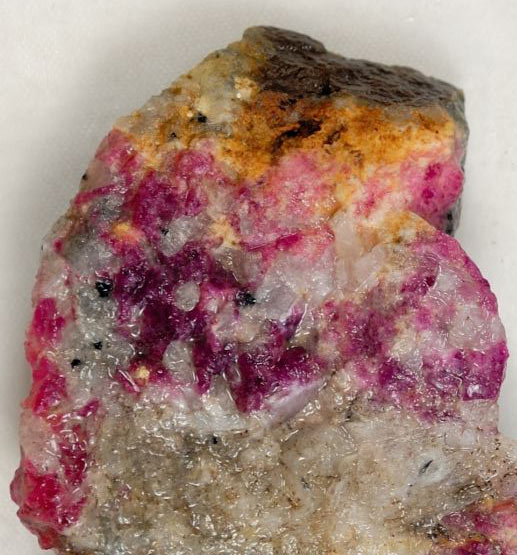
No mineral shows the locality-dependence of light sensitivity better than fluorite. The very same species is rock-stable from one mine and bleaches in half an hour from another — and a few even gain colour in the sun.
| Locality | Reaction to Light |
|---|---|
| Bingham, NM | Blue fades with exposure to sunlight. |
| El Hamman, Morocco | Ink blue pales with 30 minutes of direct sunlight exposure. |
| Elmwood | Fluorite is reported to be stable. |
| Haute-Loire, France | Sky blue turns colorless with 30 minutes of direct sunlight. |
| Hilton | Yellow fluorite is reported to be stable. |
| Navidad Mine | Deep grape purple when mined, but miners put it in the sun for 6-9 weeks to turn it pink. |
| Sant Marçal, Montseny, Spain | Deep blue turns dirty green with 1 hour of direct sunlight exposure. |
| Weardale (Cowshill area) | Pale green changed to purple almost immediately on exposure to daylight (not direct sunlight). |
| Weardale (Rogerly, Heights, Cement Quarry, White's Level) | Green fluorite is potentially unstable, though to varying degrees. Purple color appears more stable. Deep green fluorite from Rogerly (Solstice Pocket) permanently changed to muddy gray-green almost instantly under a LWUV lamp; this process took longer in sunlight. |
| Type | Reaction to Light |
|---|---|
| Amethyst | Fades over time. |
| Brazilian Amethyst | Fades with prolonged sun exposure. |
| Nebraska Amethyst | Bleaches after a couple of days in the sun. |
| Citrine | Light sensitive, prone to fading. |
| Morion | Color changes over time. |
| Rose Quartz | Fades gradually under sunlight. |
| Smoky Quartz | Can change from smoky to greenish yellow or colorless. |
| Agate | Prone to fading with prolonged sunlight exposure. |
| Opal | Light sensitive and prone to fading. |

| Locality | Reaction to Light |
|---|---|
| Thomas Range, UT | Most sherry topaz crystals turn colorless with exposure to sunlight. |
| Thomas Range, UT (East Side) | Sherry topaz turns pink after 1-3 weeks in the sun due to pseudobrokite inclusions. The pink is stable after one year. |
| Little Three Mine | Collected as colorless but turned blue upon sun exposure. Blue color appears stable, particularly from the 1976 and 1991 pockets. |
| Villa Garcia, Zacatecas, Mexico | Sherry-colored topaz is reported to have stable color. |
| Mokrusha Mine, Urals | Sherry-colored portions fade and turn light blue under sunlight exposure. |
| Volodarsk/Volhynsk, Ukraine | Dark orange fades quickly under sunlight. Bicolored samples (light pinkish champagne and blue) are reported to be more stable for at least 15 years. |
Every species below is colour-coded by its main type of light damage. Tap any name and a small box shows exactly what light does to it. When in doubt, keep colour in the dark.