
For those who can feel it, there's no debate: certain crystals set the whole body humming and jump-start the kundalini. But why? This is my field journal — part mineralogy, part physics, part sacred geometry — chasing that question down a mine shaft and out to the edge of quantum theory.
What follows weaves together two things that rarely share a table: hard science and direct spiritual experience. Where I lean on real physics I've kept it honest — look for the blue 🔬 reality-check notes. Where I follow intuition and sacred geometry, I've left that intact. Take whatever resonates and leave the rest.
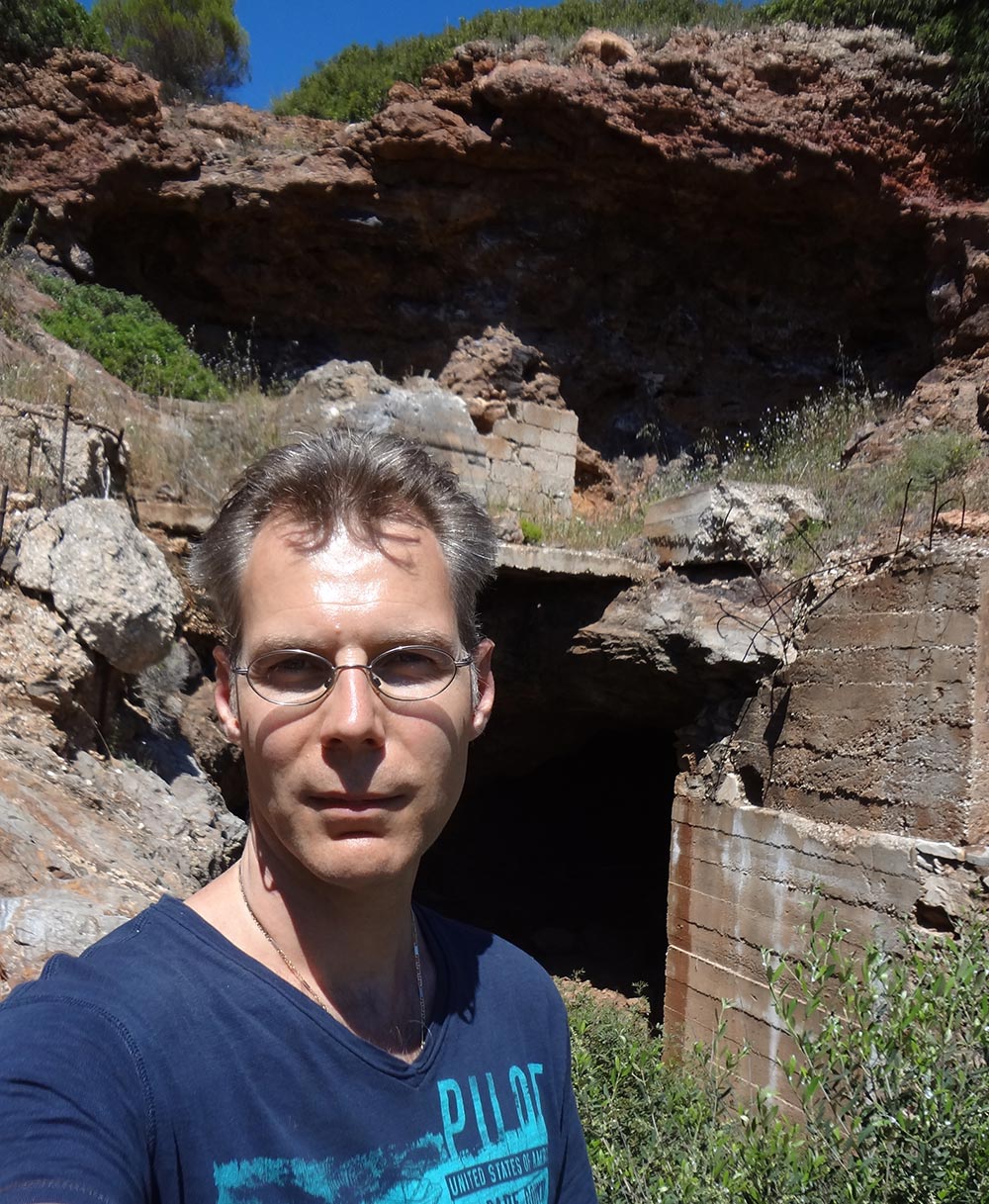
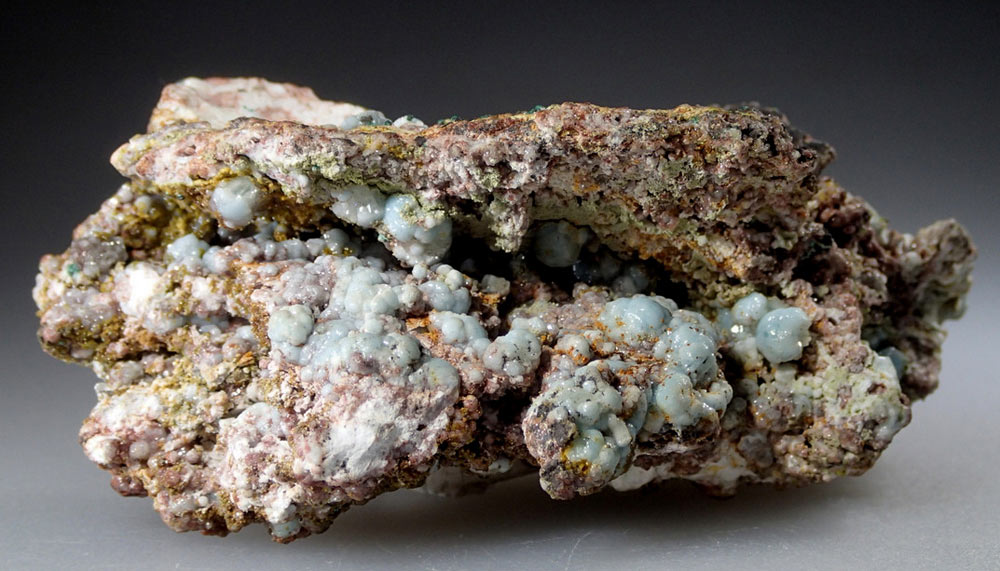
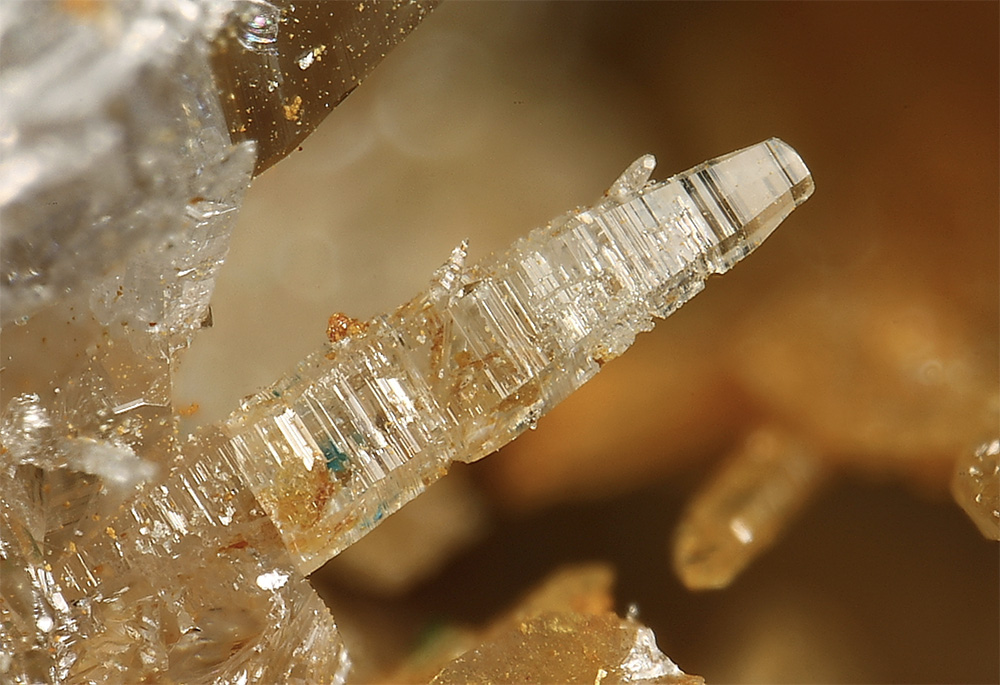
This mine hides some of the most energetic crystals on Earth — Penfieldite, Annabergite and Adamite among them. So let's do the research on the spot and find out what makes these particular crystals so alive. Is it all a hoax — or is there real science underneath?
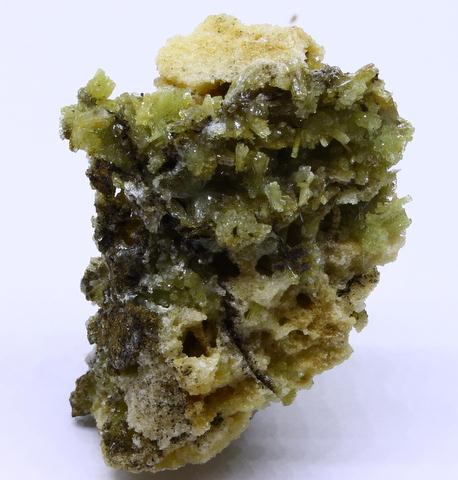
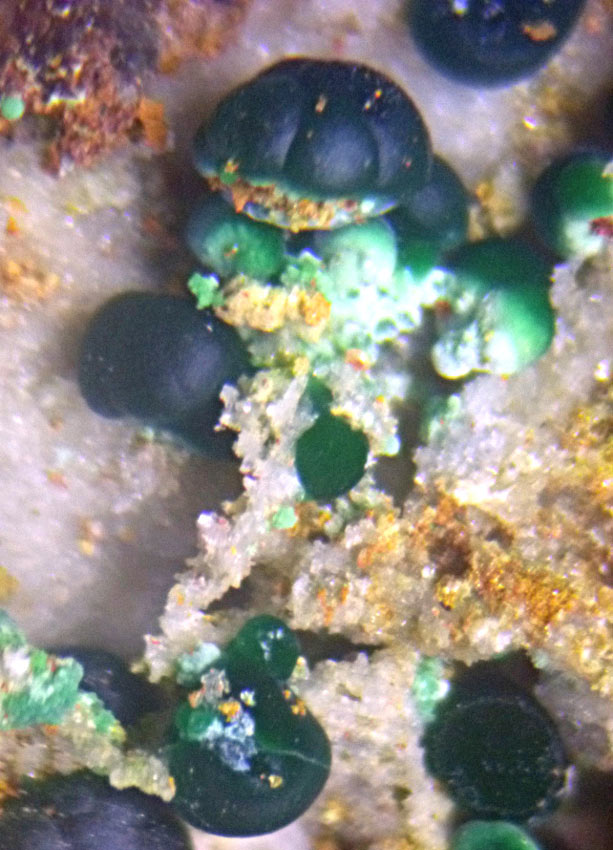
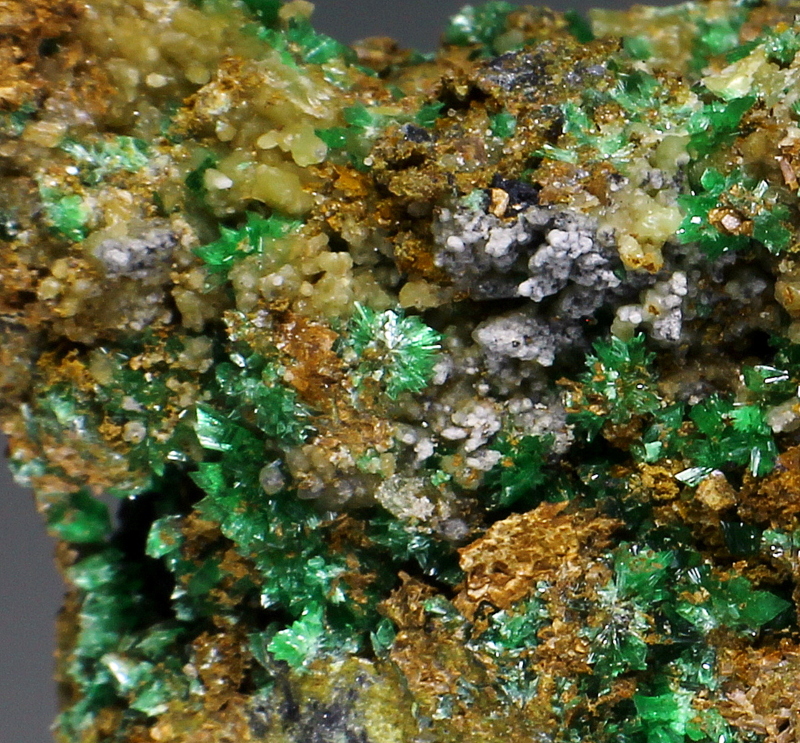
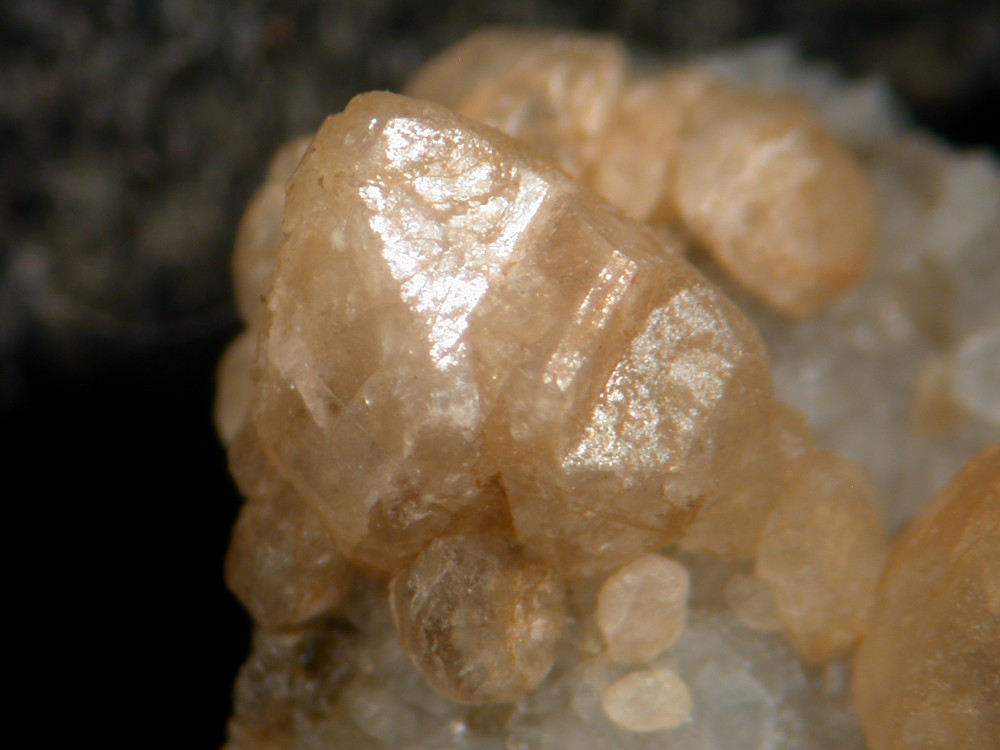
To answer the question, let's start with the four crystals I rank as the most powerful and highest in frequency on the planet:
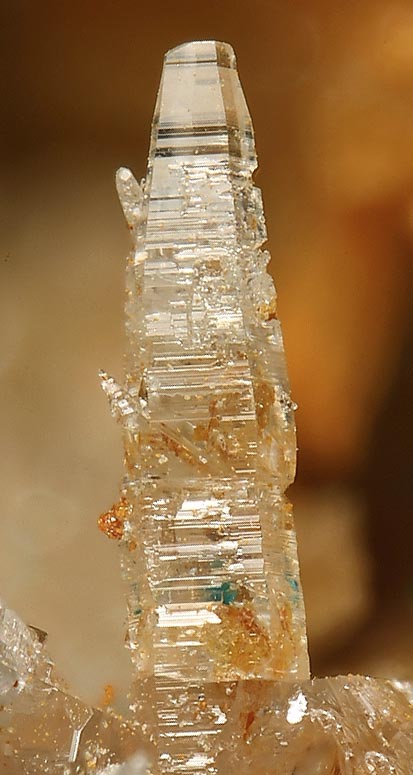
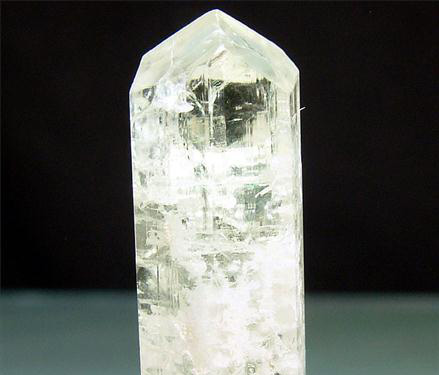

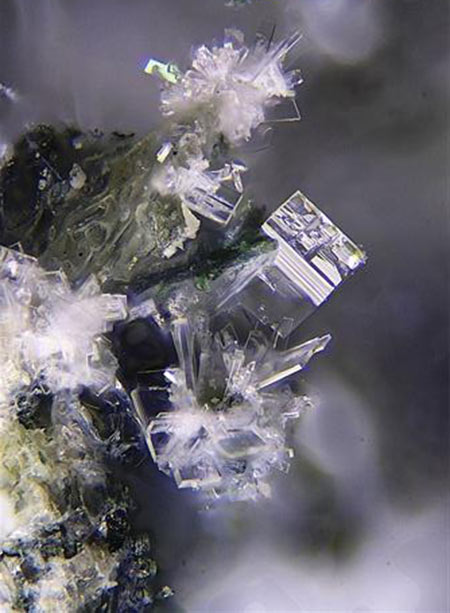
For anyone sensitive to energy there's no question: these make your whole body vibrate and light up the kundalini. But why?
Here's the riddle. Around a resting crystal there is no measurable electric or magnetic field, and — unless it's radioactive — no radiation streaming off it. So what on earth are we feeling? The very same mystery surrounds Reiki, Tai Chi and every other "subtle energy" used for healing: nothing registers on the instruments, only the after-effects.
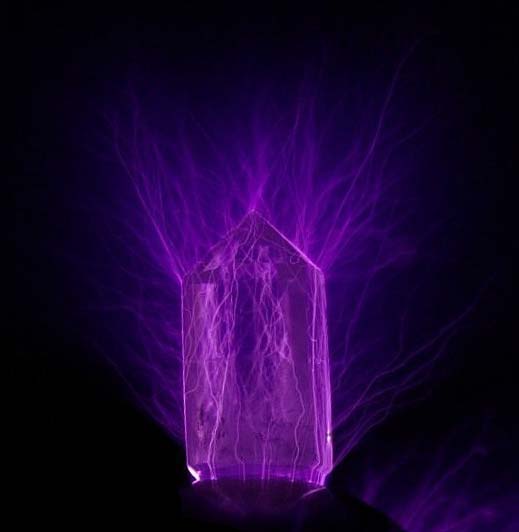
Kirlian images are real, but they aren't photos of an aura. They capture corona discharge — the glow of air ionised in a strong electric field — and the halo shifts with moisture, pressure and voltage. Gorgeous and suggestive, but not evidence of a life-force. I show it here as inspiration, not proof.
The best analogy I've found is a pocket of low pressure. You can't see the emptiness itself — you notice it the instant it starts pulling the air around it. Crystal energy behaves the same way: on its own it is "nothing," yet it tugs on everything nearby.
So, strictly speaking, calling a crystal "high frequency" or "low energy" is shorthand. What actually carries a frequency is the crystal's effect on its surroundings. And like a vacuum, the bigger the crystal, the harder it can pull. Pull on what? On the human energy system.
A current of energy runs through the body called prana (sexual energy is one form of it). In an awakened person the prana flows vertically, up and down the spine, swelling into a great sphere around the heart:
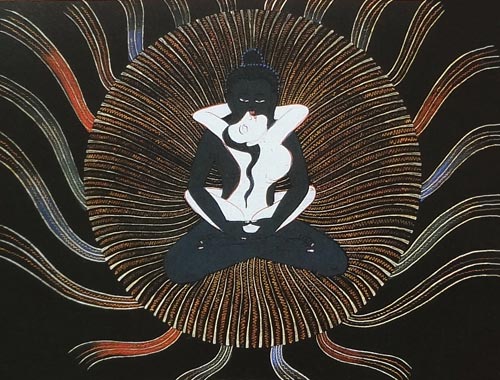
In most of us, though, it runs horizontally and snags in dozens of places:
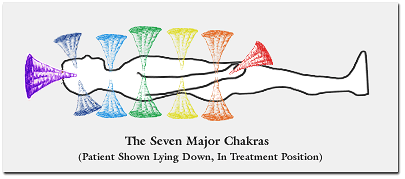
A crystal — like that low-pressure pull — draws on the stuck energy (call it karma, blockages or emotional baggage; it's all the same) in and around the body, coaxing the system back to its natural vertical flow. How hard it pulls against those blockages is its power.
Everything vibrates — light, sound, even the jiggle of atoms we feel as heat. Emotional blockages have their own signature too, and the moment something touches them energetically (Reiki, a crystal) they begin to surface — because emotions are, at bottom, energy patterns that react when you contact them. The link itself behaves like a kind of resonance, perhaps even a quantum coherence between crystal and blockage.
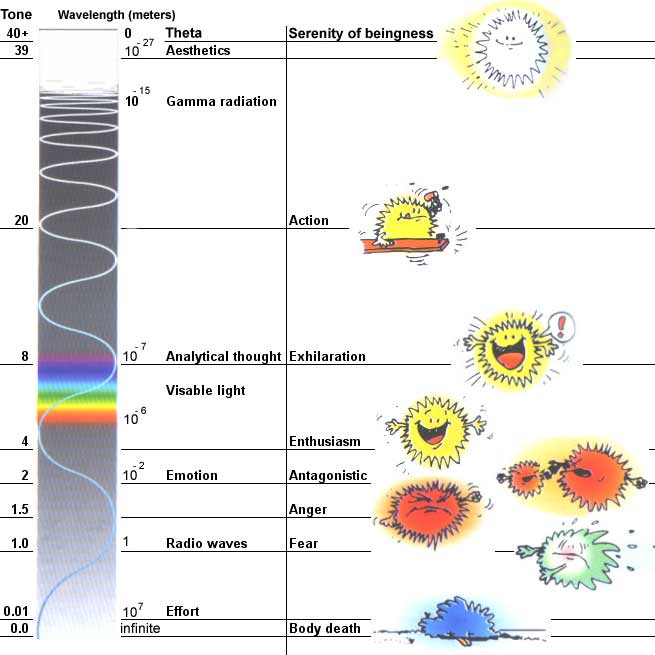
A crystal, like a guitar string, has its own resonant frequency — sometimes several. If that resonance matches, say, fear, it draws the fear-blockage up into the light so it can be cleared. And the higher a crystal's frequency, the deeper and finer the cleansing it can do.
Picture a problem as stuck energy: you want something, the world won't give it, and the harder you push the more it pushes back — the bigger the problem grows. Lower-frequency crystals patiently dissolve that stuck energy. The highest-frequency crystals do something bolder: they go straight to the source of every problem — the one who has it. In other words, you. Dissolve that, and the whole problem dissolves with it.
Phenakite does exactly this. It goes to the source of all charge — you — and begins to dissolve the "you." That is the real starting line for a seeker: it wakes the kundalini and dismantles the ego, slowly but surely. Only a handful of crystals reach this frequency, and phenakite is the most famous of them — the jeweller Heaven & Earth made it legendary.
So why are Penfieldite, Cahnite, Willhendersonite and Phenakite so strong? Start with phenakite — it's easy to find and easy to study. Its recipe is dead simple: Be2SiO4 — beryllium, silicon, oxygen. And here's a pattern: a surprising number of powerful crystals pair beryllium or aluminium with silicon and oxygen. So let's round up minerals that contain all four — Al, Be, Si and O:
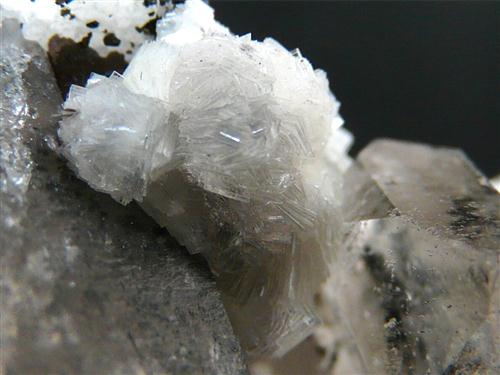
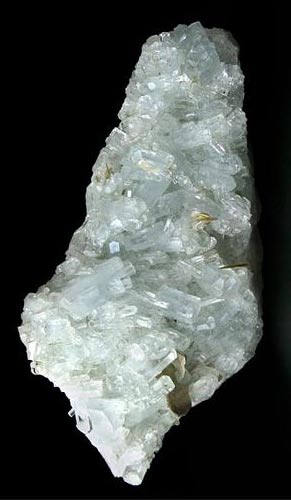

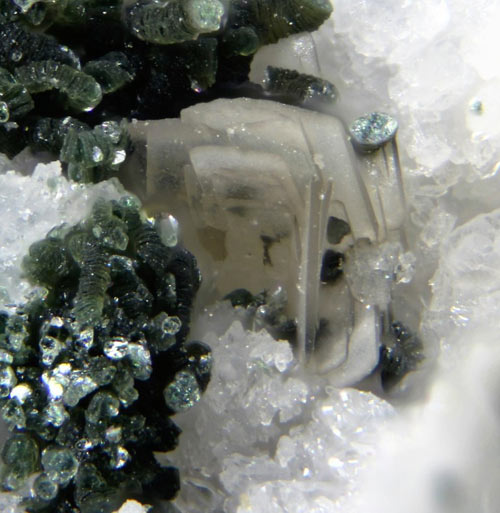
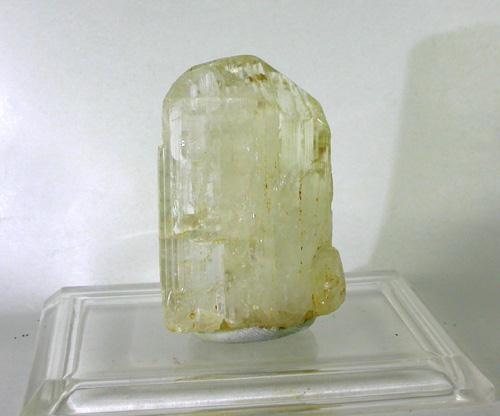
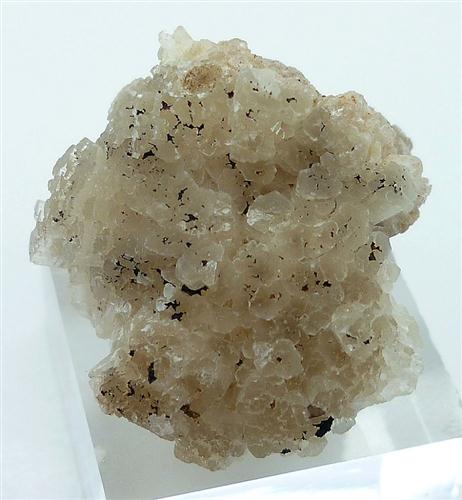
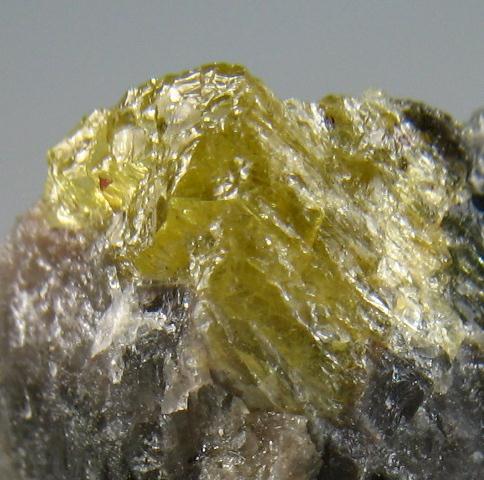
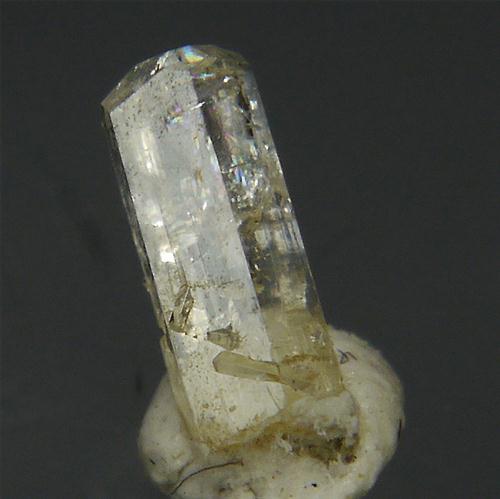
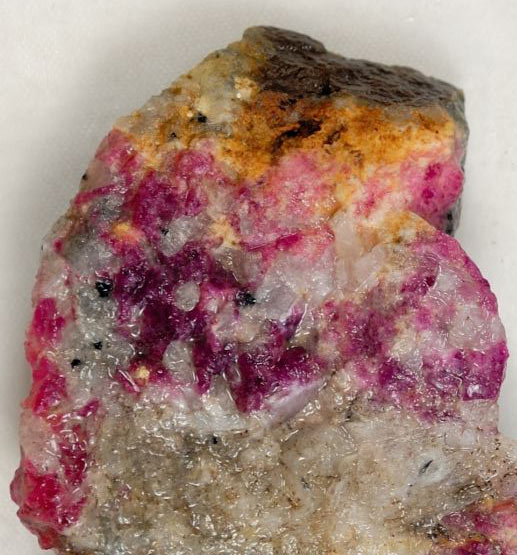
If you're sensitive you may feel several of these straight off the screen — Milarite especially. But none of them match Phenakite, Penfieldite, Cahnite and Willhendersonite. So composition can't be the whole story.
Phenakite has a trigonal (rhombohedral) structure. So let's gather other minerals built the same way:
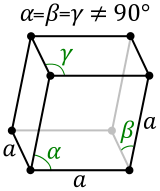
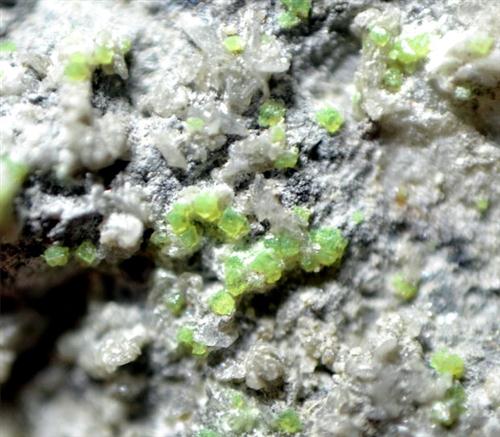
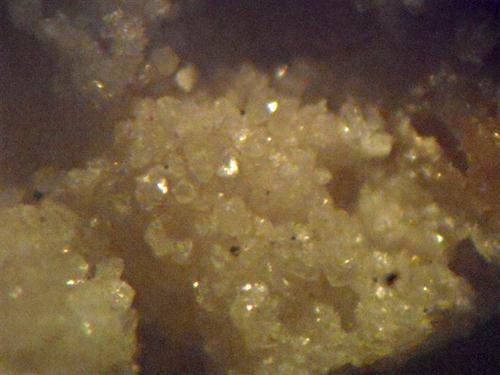
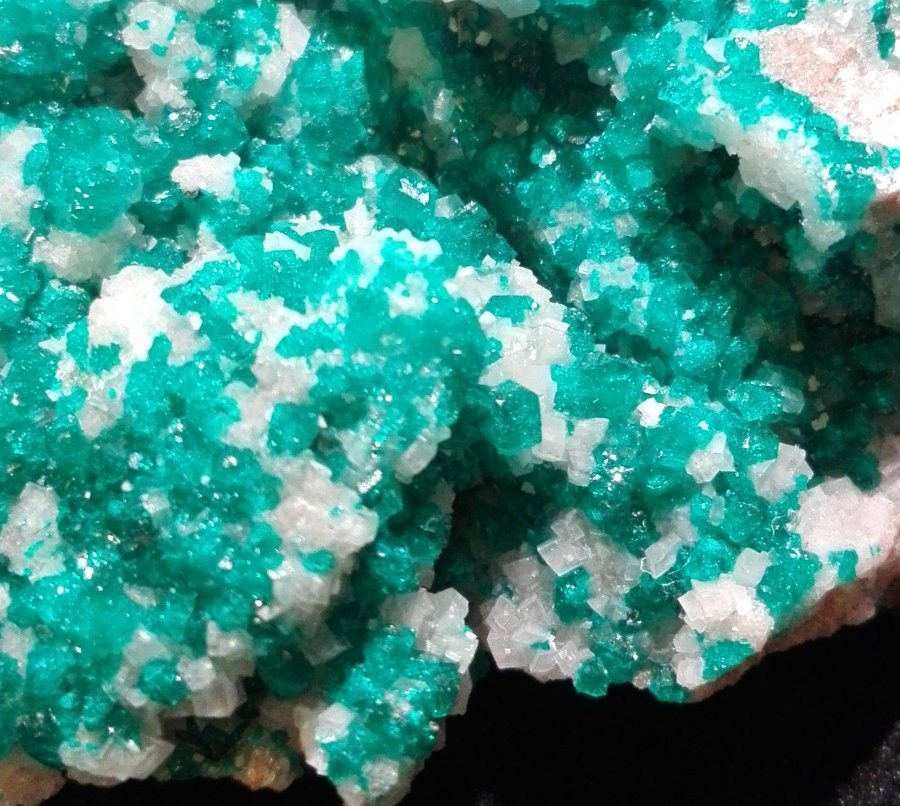
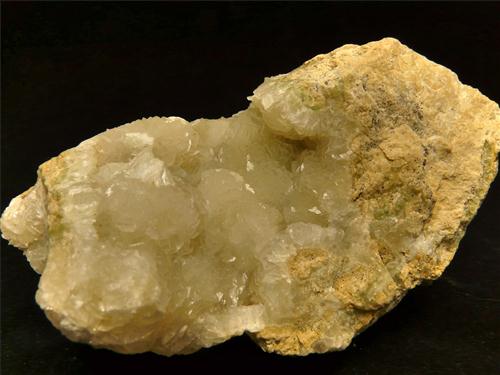

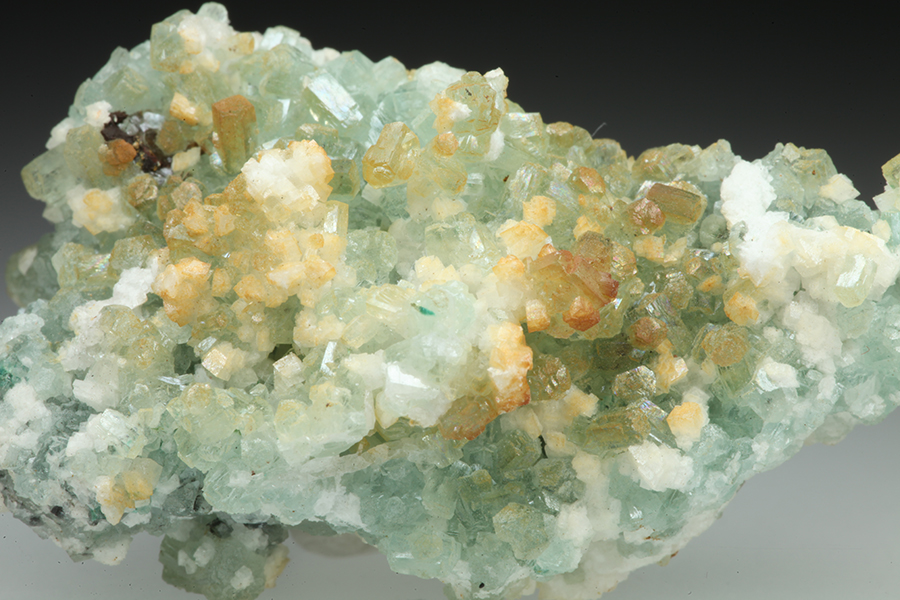
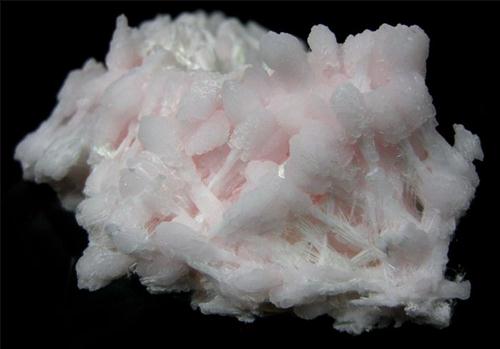

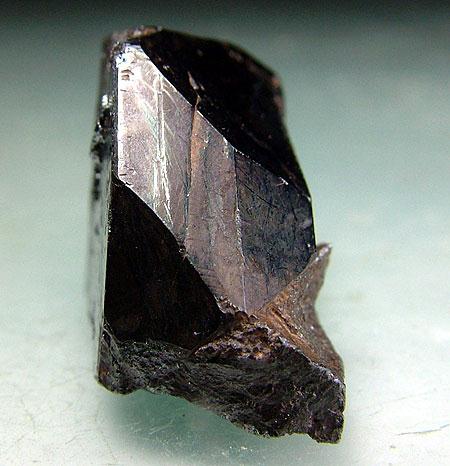
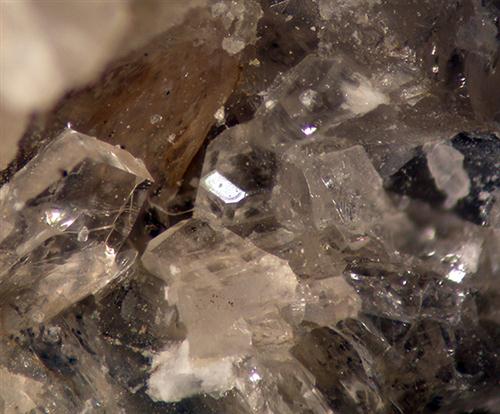
Again, some are strong — Ferrinatrite jumps out — and some, like dolomite, are quiet. So structure matters, but it's still not the whole answer. We're getting closer, though.
Phenakite belongs to a tiny three-member group: alongside it sit Willemite (Zn2SiO4) and the rare Eucryptite (LiAlSiO4) — chemically near-identical cousins. Phenakite is the strongest of the three.

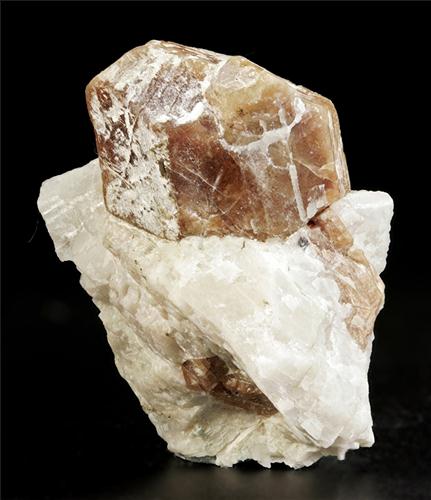
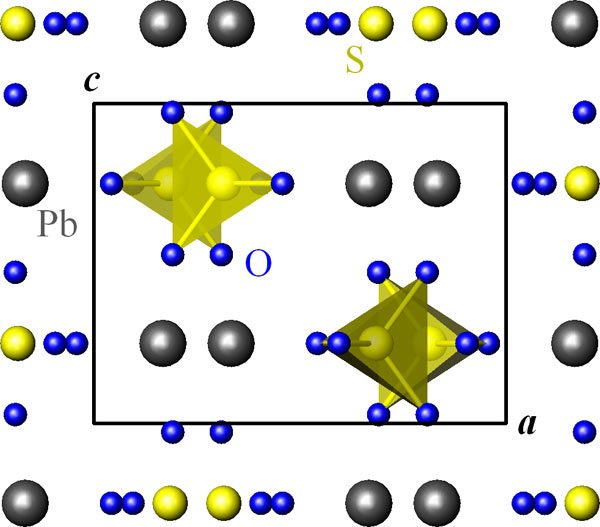
These are nesosilicates — "island silicates" — where each SiO4 tetrahedron stands alone rather than sharing corners with its neighbours (as it does in the soro-, cyclo-, ino-, phyllo- and tectosilicates). Instead, the oxygens link to octahedra — two pyramids set base-to-base. So you end up with billions of isolated tetrahedra paired with pyramids.
The inventor Patrick Flanagan spent decades on "pyramid power," using Kirlian photography to picture the energy he believed these shapes produce.
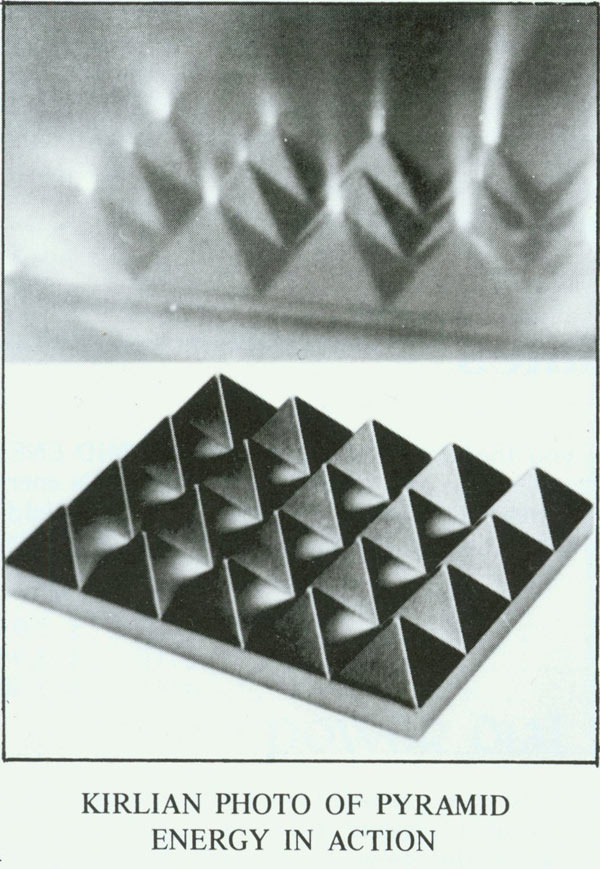
"Pyramid power" isn't an established scientific effect — controlled experiments have never confirmed that a pyramid shape preserves food, sharpens razors or stores energy. I include it because the geometry keeps reappearing, and geometry is the thread I'm chasing — not because the claim is settled physics.
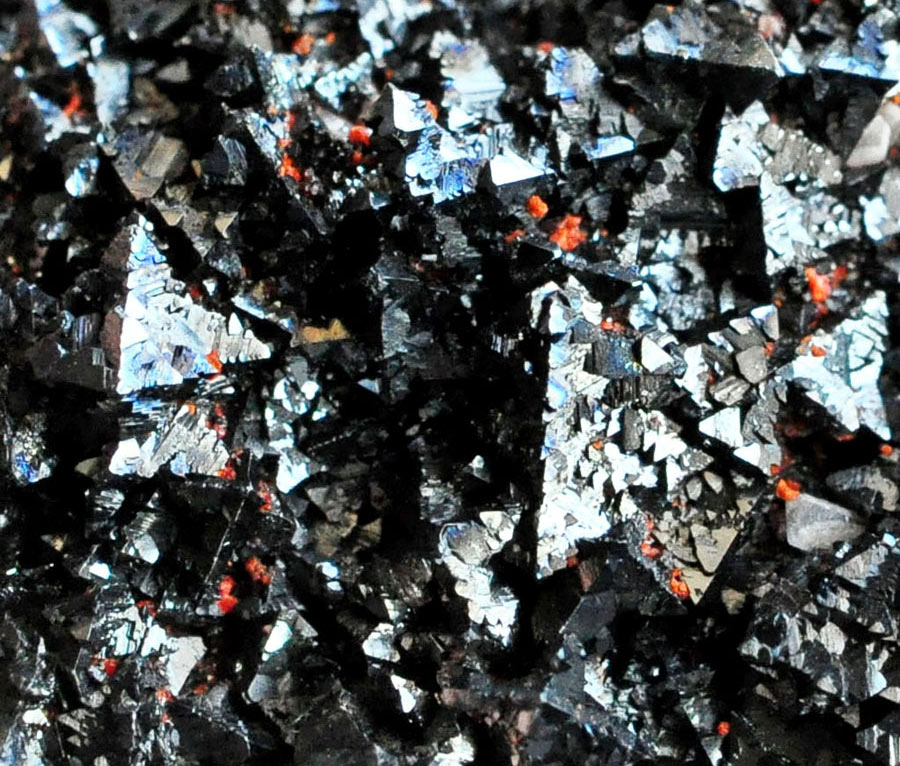
Hausmannite is built from thousands of little double-pyramids packed into a single cluster, which gives it a lovely energetic bite. The pyramid, the octahedron and the tetrahedron turn up again and again:
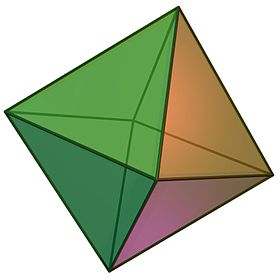
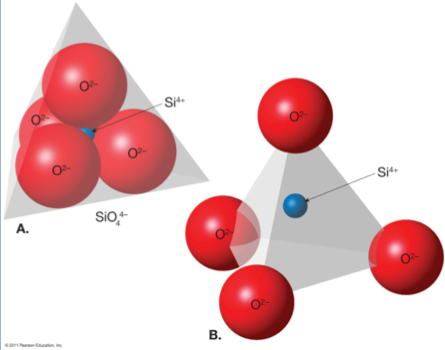
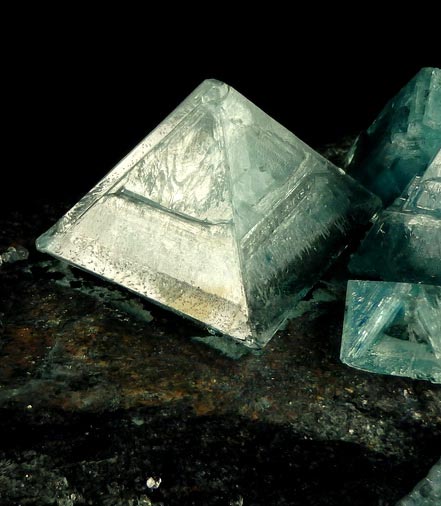
It makes you wonder whether Egypt's pyramids were simply copied from what nature was already building…
But pyramids don't explain Penfieldite, Cahnite or Willhendersonite — and Willemite, almost a twin of phenakite, is far weaker. Beryllium isn't the secret either. Penfieldite and Cahnite aren't even silicates. What they do share is rarity: each belongs to a very rare crystal system, family and lattice type — and so do Wardite and Kamphaugite-Y, both also in the top 10.
If you'd like to see those systems and lattice types laid out, there's a whole page on it:
The Crystal Systems →What if the answer is the geometry the atoms trace out inside the structure? Compare a phenakite-type nesosilicate with its cousin willemite:
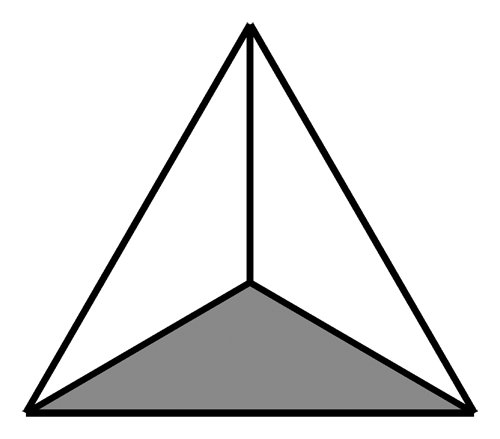
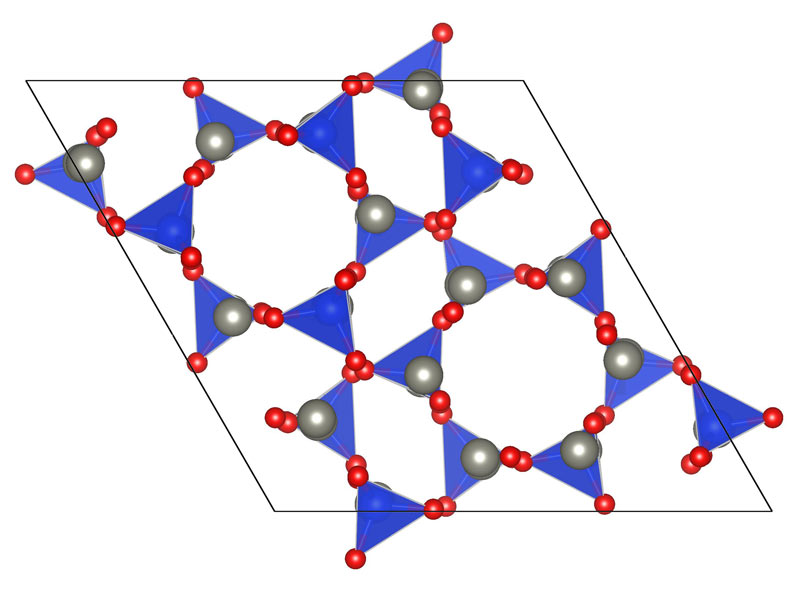
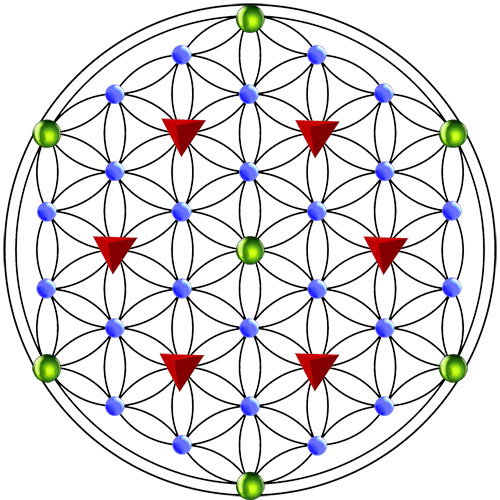
Here's the striking part: those silicate tetrahedra map out the petals of a Flower of Life — and the symmetry is far cleaner in phenakite than in willemite.
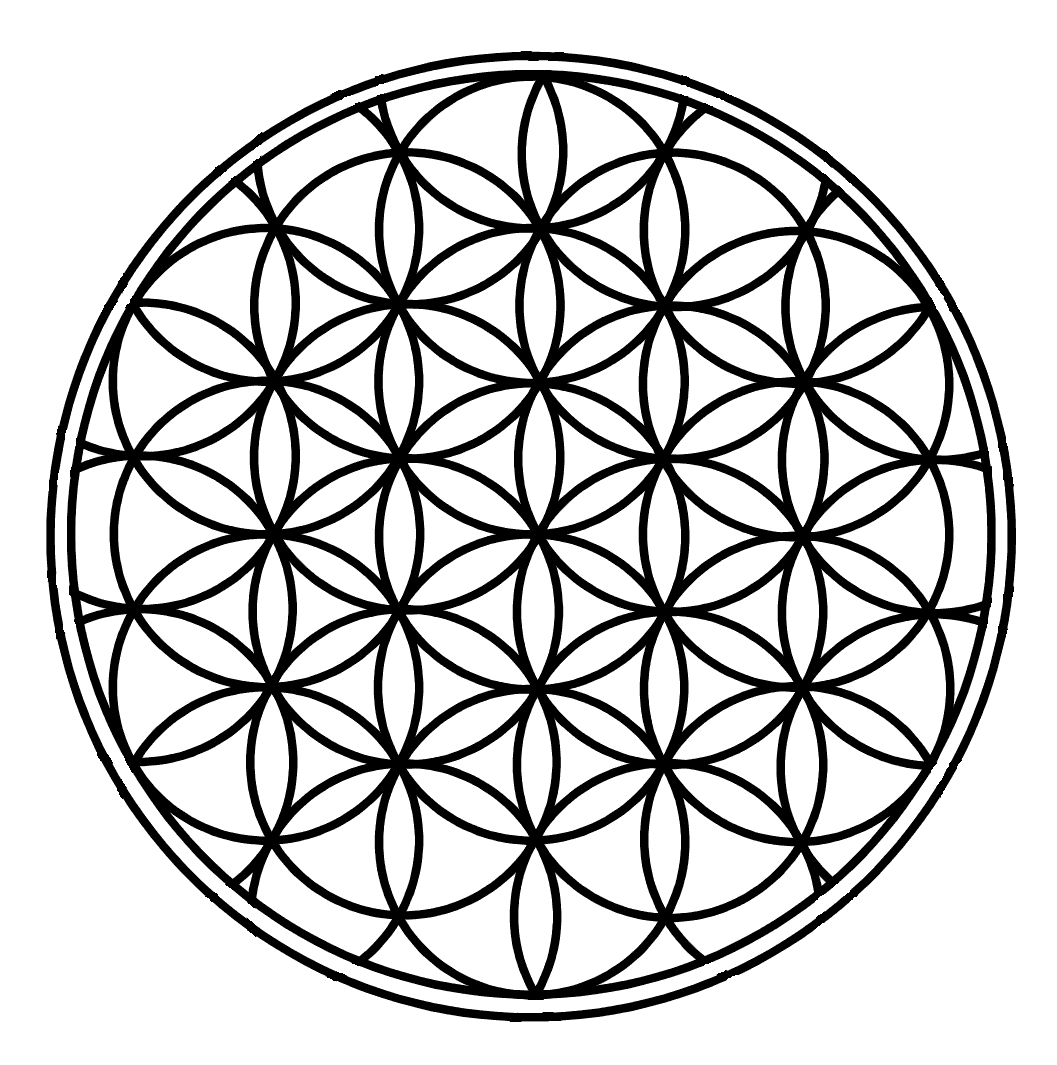
This pattern has turned up across cultures and millennia, like a shared blueprint for energy:
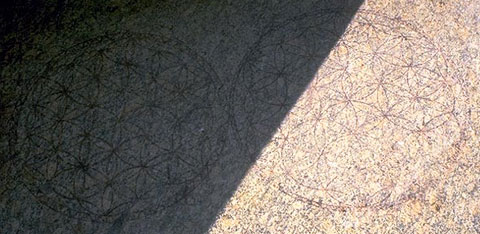
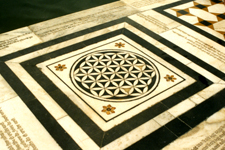
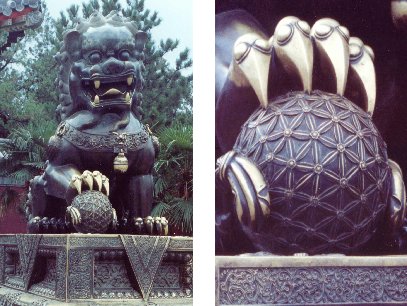
But plenty of crystals trace a flower of life, so what sets each one apart? It seems to come down to the geometry inside it.
This finally clicked with Anglesite. Clear anglesite did almost nothing energetically, while yellow anglesite changed everything:
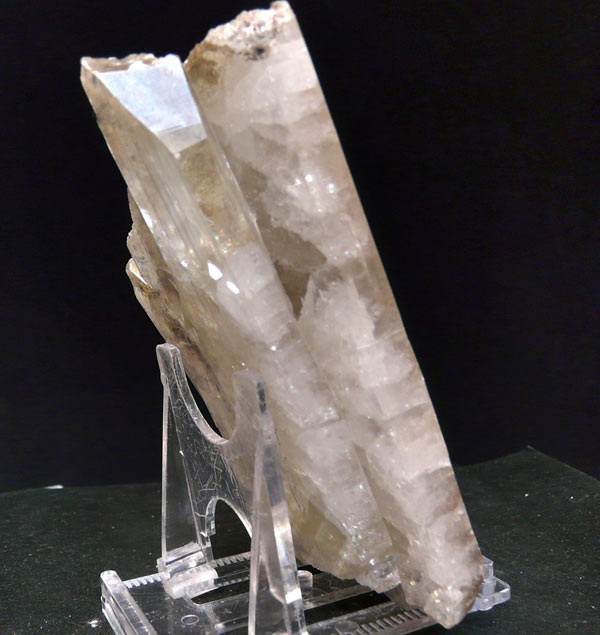
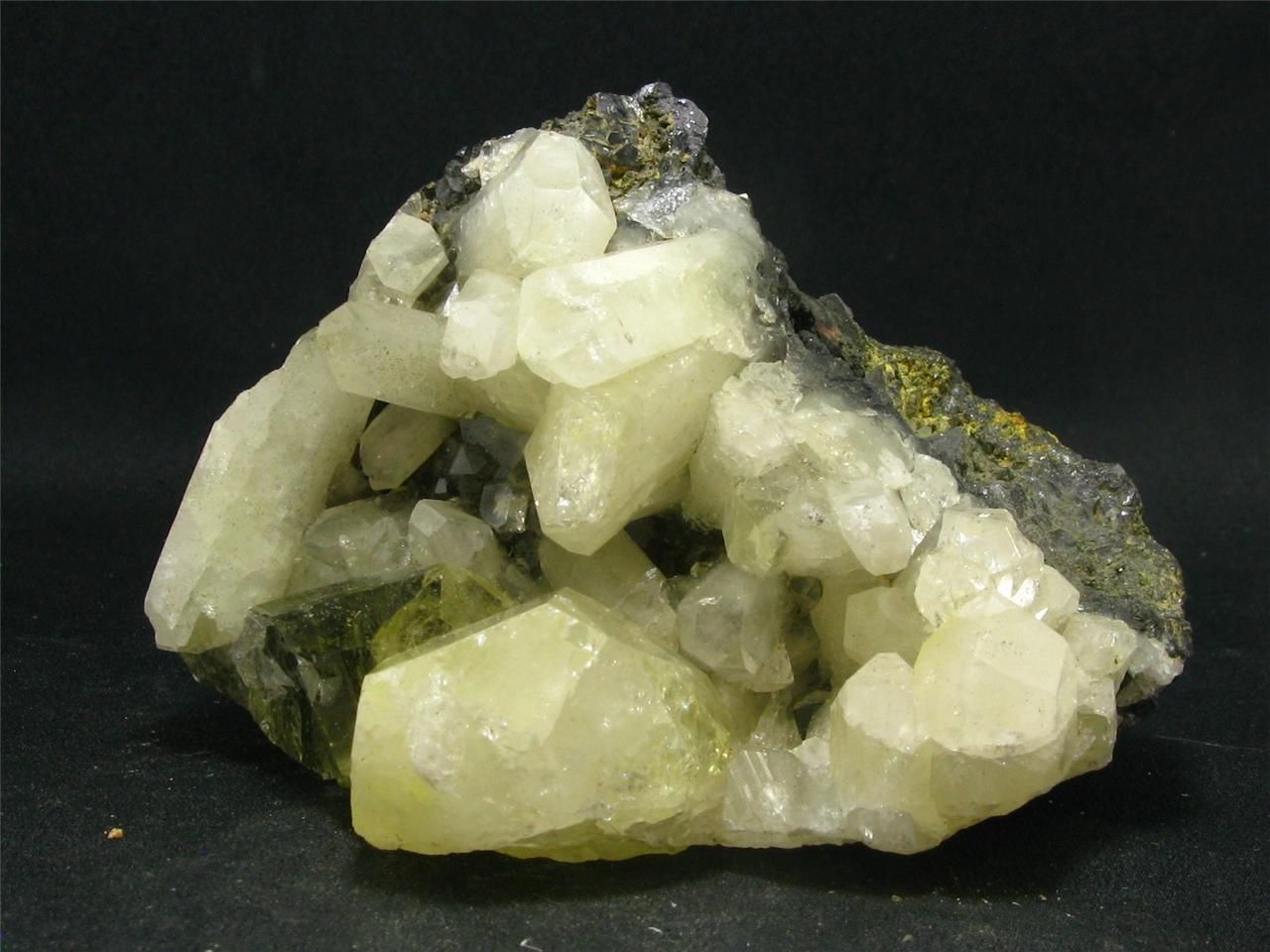
Now, anglesite is lead sulfate — PbSO4 — so chemically both colours already contain sulfur in their sulfate groups. The difference is the extra native sulfur that tints the yellow crystals. To my eye, that added sulfur completes a perfect merkaba inside the flower of life; the clear crystal lacks it — and lacks the energy.
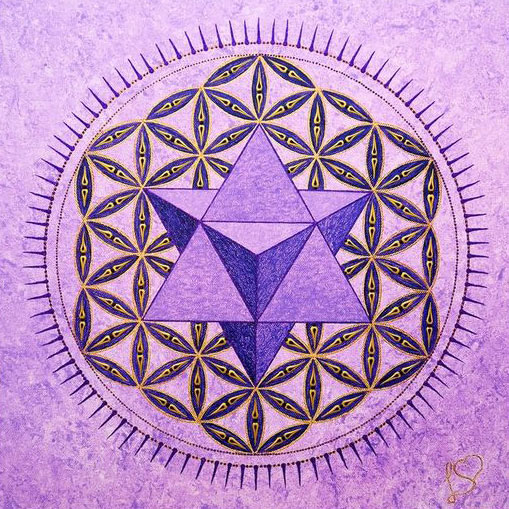
To be precise: the sulfate group (SO4) is present in every anglesite, clear or yellow. What varies is the inclusion that colours the yellow specimens. The "merkaba" is my sacred-geometry reading of that difference, not a laboratory result.
Silicates are silicon atoms bonded to four oxygens (SiO4). The way those tetrahedra connect decides how close the structure comes to a flower of life — and, it turns out, how programmable the crystal is.
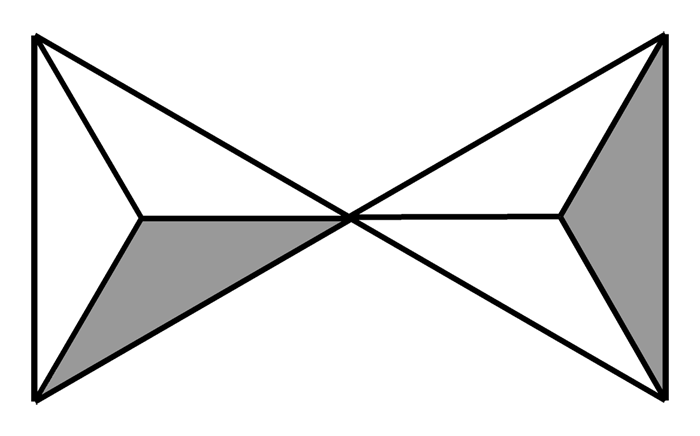
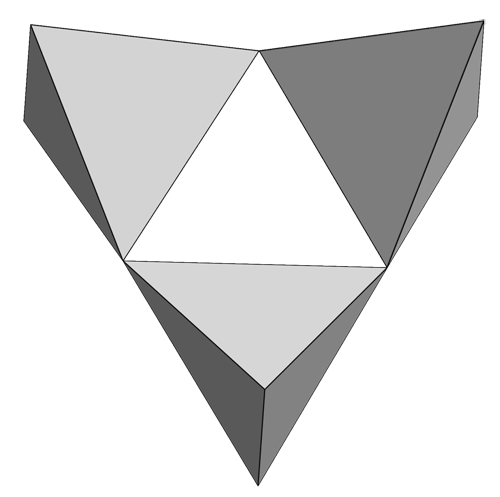
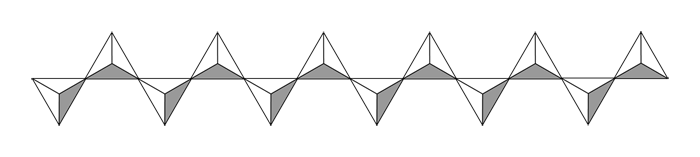
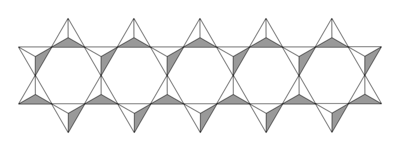
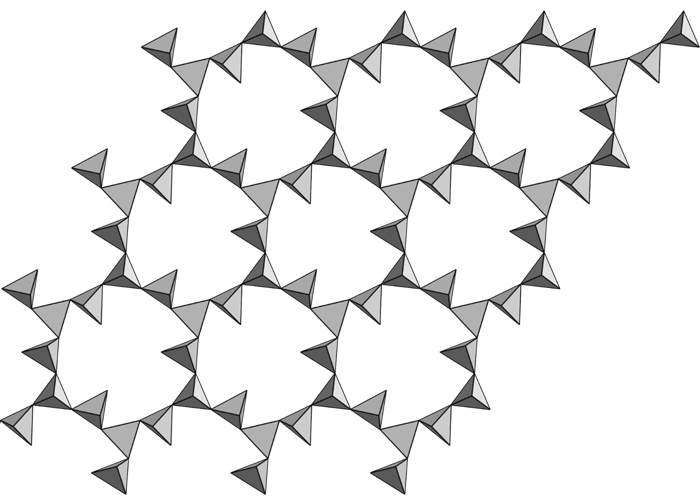
The pattern is clear: the closer a structure gets to a flower of life, the better it can magnify the sacred geometry inside it — and the better it can link an outside energy source (a person, a place) into the crystal so it broadcasts that energy too. That is what "programming" a crystal really means.
Now meet the king of holding a program: Apatite. Of the ~3,000 crystals I've tested, apatite is the best at permanently holding programmed energy once you weigh up size and price. (If cost is no object, Nastrophite wins, then strengite, wardite and herderite.)
Chasing the "why," I landed on the physicist Matthew P. A. Fisher of UC Santa Barbara.
Inside Posner molecules — tiny calcium-phosphate clusters — the nuclear spin of phosphorus-31 might stay quantum-coherent for an extraordinarily long time, even in the warm, wet brain, where coherence normally dies almost instantly. It's a serious, still-unproven hypothesis about whether the brain could "think" partly through quantum mechanics.
Fisher never connected it to crystals or to spiritual programming — that leap is mine. But if phosphate really can shelter quantum coherence at body temperature, it would beautifully explain why apatite seems to hold a program forever, as if the person who charged it stays entangled with the stone.
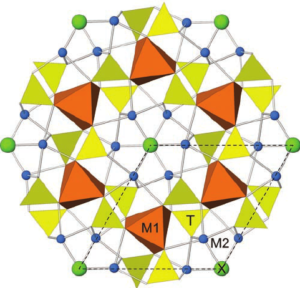
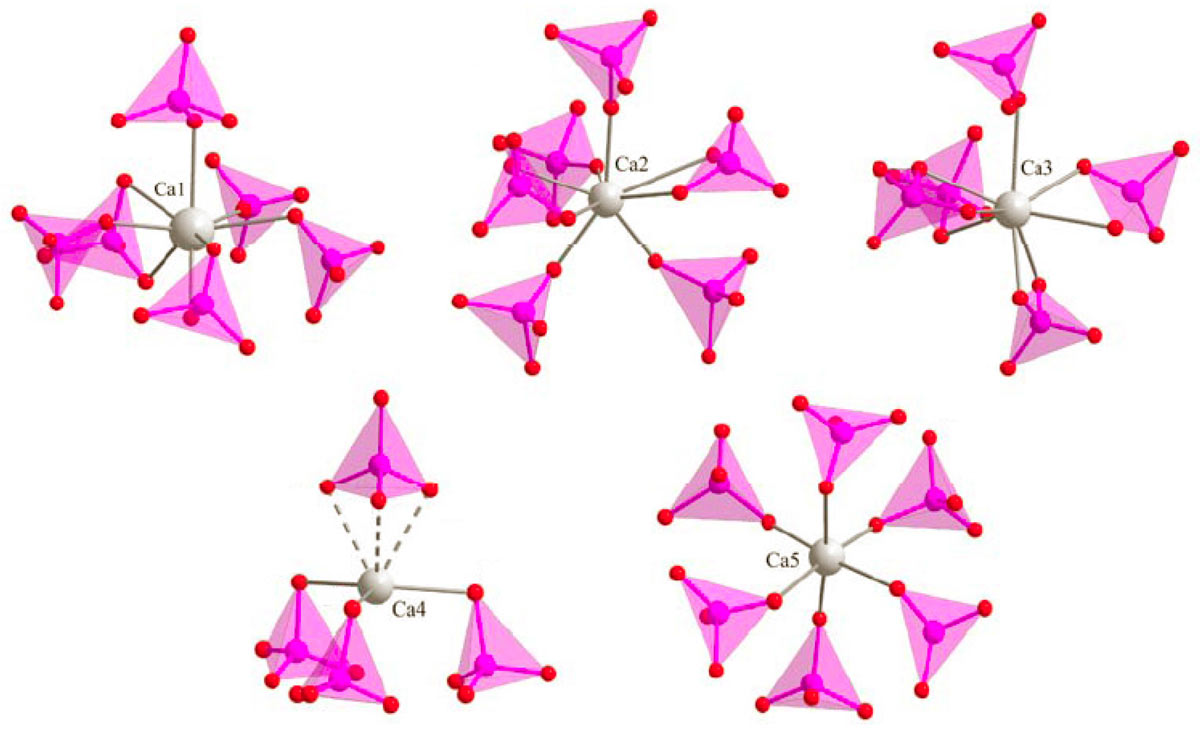
Looking closer, every phosphate mineral I tested programs well, without exception. And the reason apatite leads the pack brought me back — yet again — to the flower of life. Apatite is Ca5(PO4)3(F,Cl,OH), and it's the five calciums bound to the phosphate that trace a perfect flower of life. One, two, three or four calciums simply don't:
Why would a flower of life get along so well with quantum states? That question led me to Nima Arkani-Hamed and Jaroslav Trnka, and their amplituhedron.
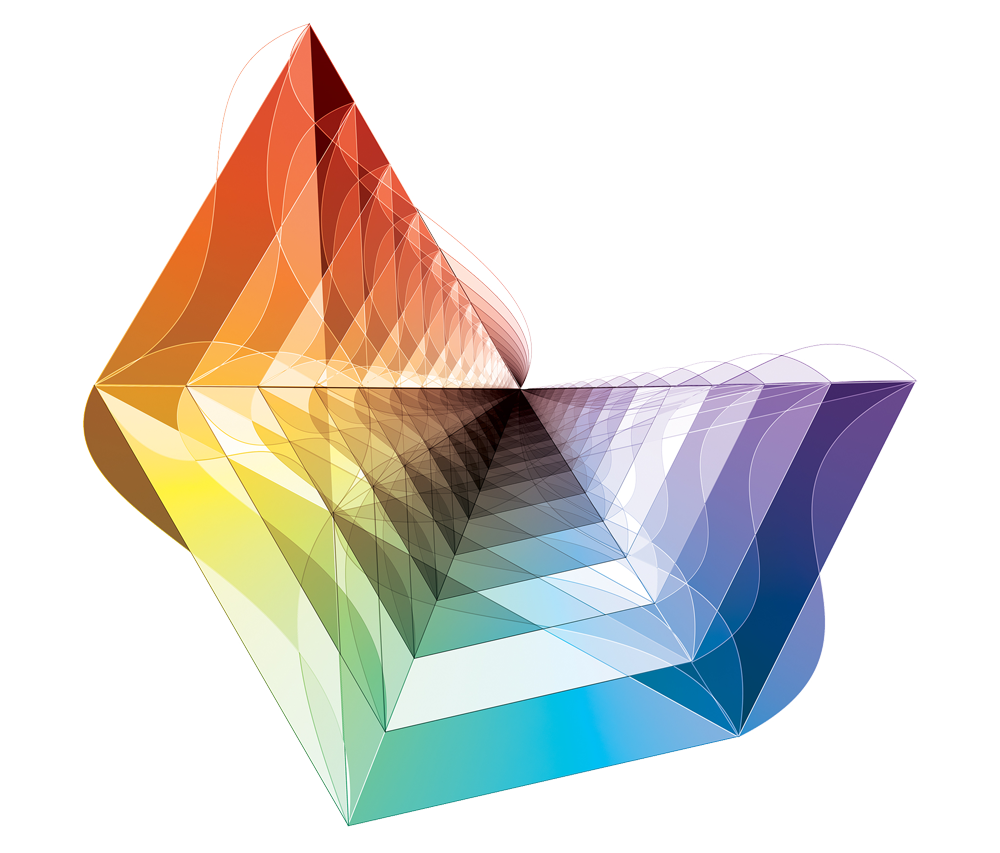
It's a geometric object — a "positive geometry" — from which the probabilities of particle collisions can be read straight off its shape, with no reference to space or time. In their words, locality and unitarity (long thought to be bedrock rules of physics) may not be built in at all, but rather emerge from a deeper geometry.
To my eye, its nested, faceted form rhymes with the flower of life. Let me be clear about what that is and isn't: it's a poetic resonance, not a proven equivalence — the amplituhedron lives in an abstract higher-dimensional space and, so far, describes idealised theories rather than literally everything. And yet the core idea — that geometry comes first, and space-time emerges from it — is exactly the song the flower of life has been singing for thousands of years.
So perhaps the flower of life isn't merely how some crystals grow. Perhaps it points at the geometric bedrock of reality itself — a divine blueprint.
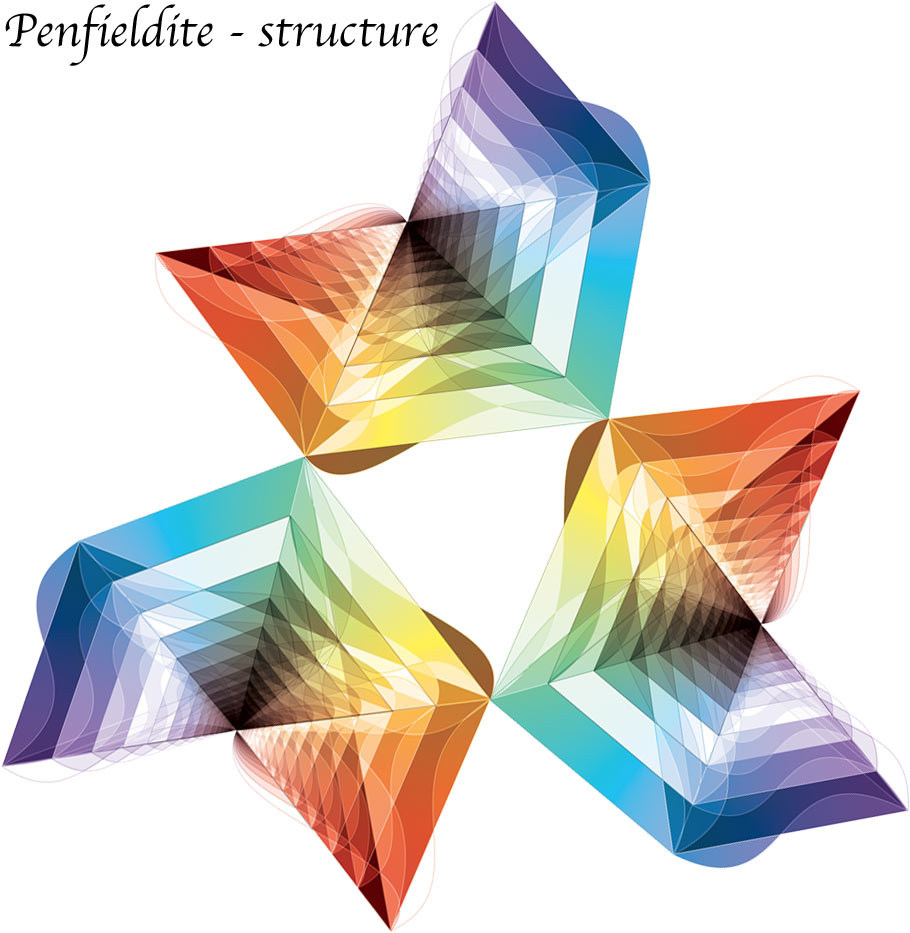
And the most powerful crystal on the Top 200 — Penfieldite — suddenly makes a lot more sense:
Look at the 2C family — the backbone of many psychedelics. Each one carries a six-membered aromatic ring (a benzene ring); LSD, DMT and ibogaine carry close cousins of it too.
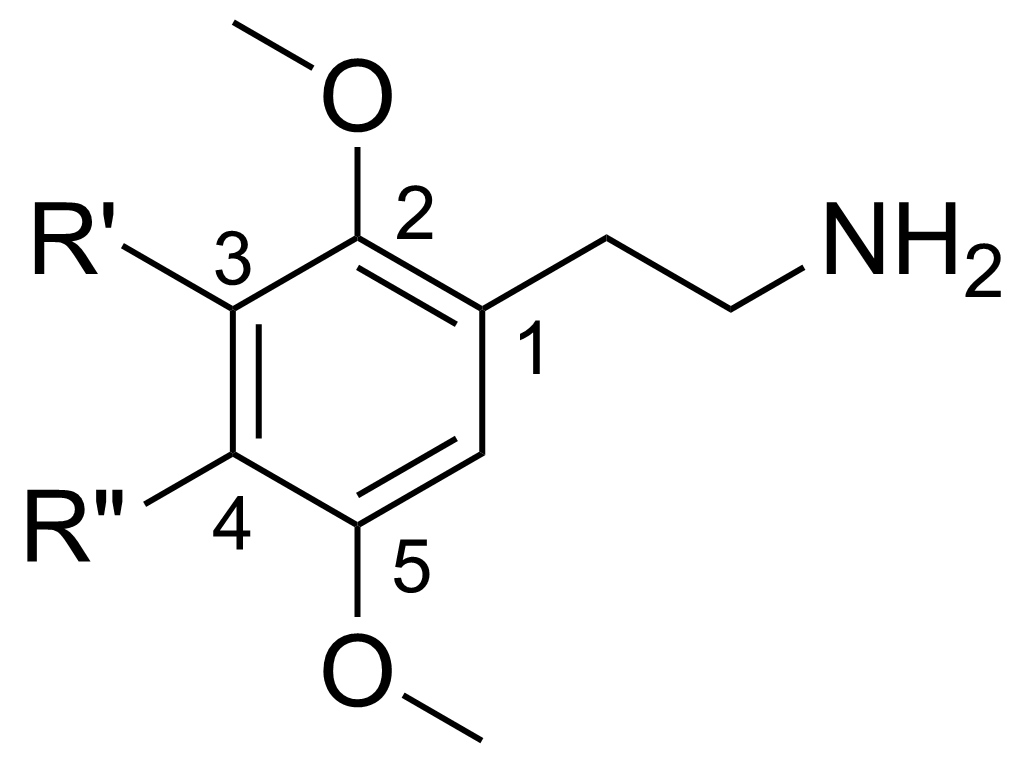
A crystal does not contain an organic benzene molecule — benzene is carbon-and-hydrogen chemistry. What the two share is the six-fold ring geometry: the same hexagonal motif that builds the flower of life shows up both in these molecules and in the atomic rings of certain crystal lattices. It's the shape that echoes, not the substance.
My hunch: the powerful crystals carry that same hexagonal ring geometry. Psychedelics act on the nervous system and feel like pure energy and frequency — so when a crystal carrying the matching geometry meets the body (which is itself a crystalline, ring-based chemistry), it seems to mimic those same energies.
People have long combined the flower-of-life hexagon with other shapes to make energetic products — Tachyon, Dominus Cervix, Biogenesis, Biotac, Albat, Ascension — sealed into glass or metal. The symbol seems to be their engine. The Soul Drops are even said to carry the energy of psychedelics without the molecule — held, their makers say, in the water itself. (That's a water-memory claim mainstream science doesn't support; I pass it on as their claim, not a fact.)
Phenakite has one of the closest matches to the psychedelic geometry of all: billions of isolated tetrahedra and double pyramids in an almost perfect flower of life. That is its secret. Penfieldite, Cahnite, Willhendersonite and Wardite hide rare geometry inside a flower of life, found in only a few spots on Earth — which is exactly why their frequencies feel so unusual. Quartz, by contrast, is everywhere, so its frequencies feel familiar and gentle — but that same hexagonal ring makes it wonderfully easy to program.
And when the geometry inside and around the flower of life locks onto a high resonance — a psychedelic-like signature, as in phenakite — the crystal never loses that frequency. No recharging, no cleansing, no reprogramming. Most crystals slowly start to feel "polluted" (a vacuum filling back up with air) and need clearing; phenakite and a rare few stay clean and clear entirely on their own.
One last curiosity: phenakite and herderite — two of those self-cleaning crystals — are both fluorescent under X-rays, a property very few minerals share. There's more research to do here… to be continued. And a practical note: many of these crystals are light-sensitive (some moisture-sensitive too) and fade in sunlight, so keep them in the dark.
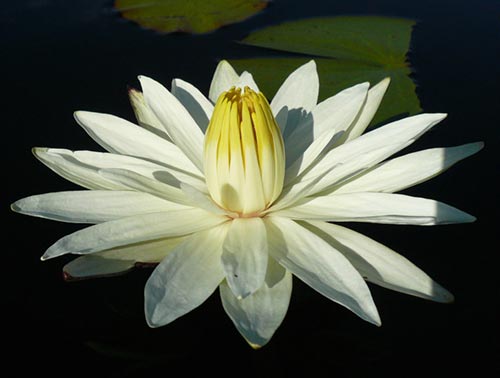
The flower of life works directly on the kundalini — clearing blockages and slowly opening the crown chakra like a lotus, petal by petal, until the whole body seems to rest on an open bloom. (There's far more on the kundalini elsewhere on the site, and plenty online about how psychedelics act on the nervous system as neurotransmitters.)
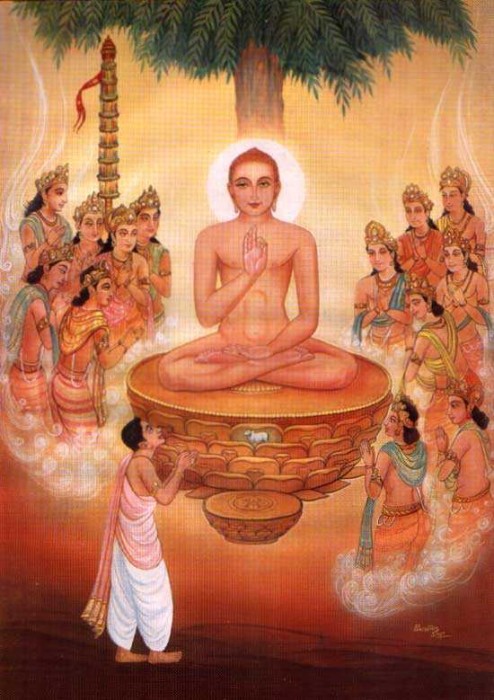
Many people have used this geometric knowledge to build energetic tools — Biogenesis, Tachyon, Dominus Cervix. But until recently, no one had captured all the geometric possibilities of the entire crystal kingdom in a single device.
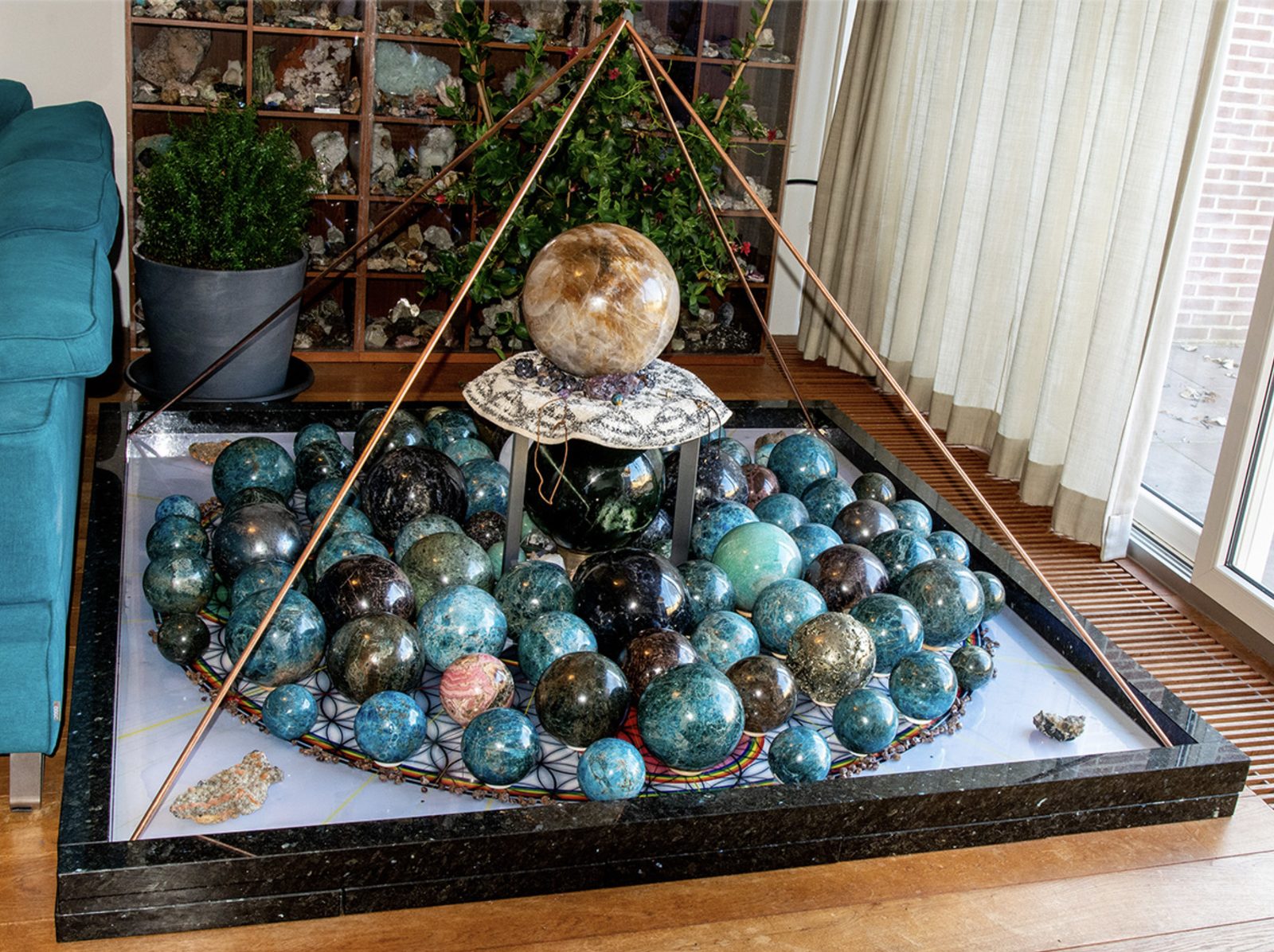
Era of Enlightenment's second-generation kundalini generator (once the MX2 Heliotalic light system) does exactly that — folding in the energies of the individual crystals on this site, and a great deal more.
Visit Era of Enlightenment →