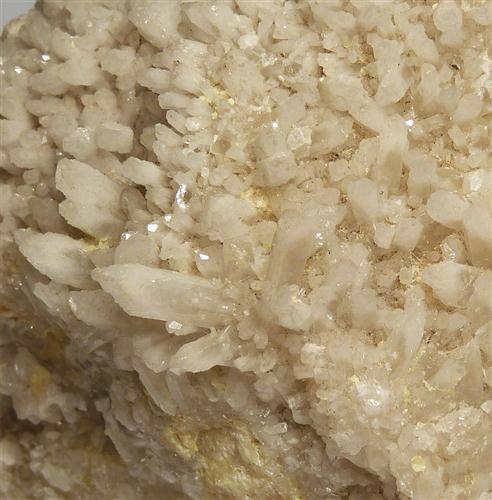
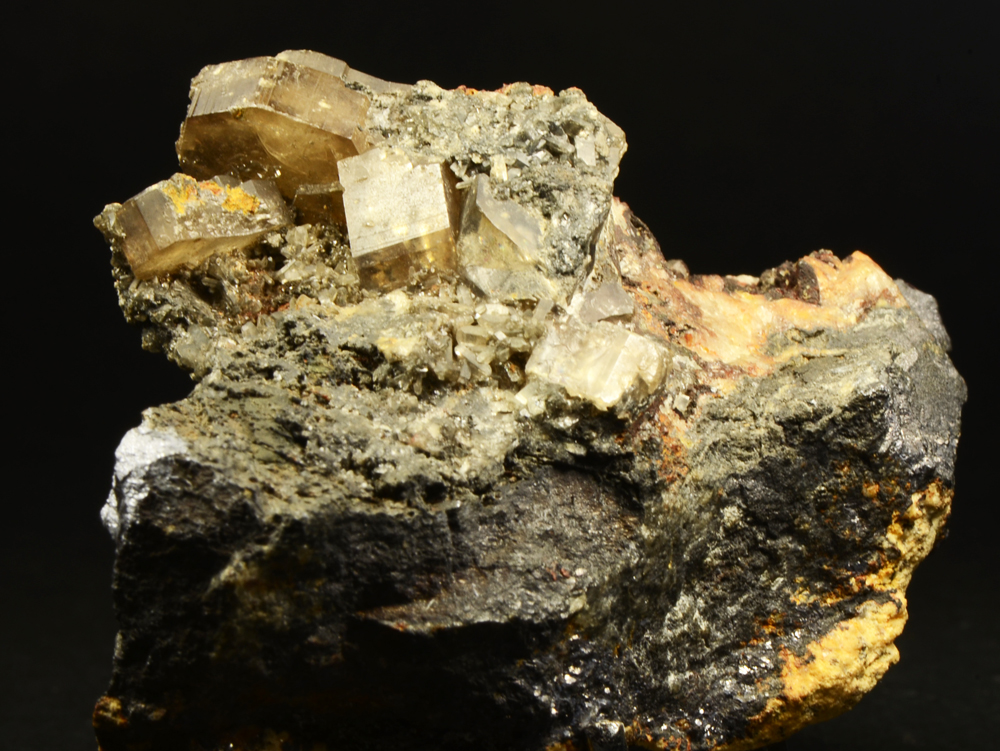
For the collector, understanding water sensitivity is one of the most critical aspects of preservation. Dropping the wrong specimen into a bowl of water for a "quick clean" can irreversibly ruin a prized piece. It is never random — it is dictated by geological origin, chemical bonding, and structural geometry.
The Science5 Types of DamageVulnerable MineralsFull List
Part 1 · The Science
🔬 Why Crystals Are Water-Sensitive
🧂
Ionic Bonding & Evaporative Origins
Minerals like halite (rock salt) or selenite/gypsum formed where ancient seas evaporated. As ultra-dense salts, their lattices are held by ionic bonds. Water is a polar molecule — like a tiny magnet — so it wedges between the ions, pulls them apart and breaks the lattice down at the molecular level.
⚙️
Metallic Reactivity (Oxidation)
Many prized crystals are rich in iron, copper or manganese. Water catalyses oxidation: rather than dissolving, the mineral undergoes a permanent chemical transformation, bonding with oxygen to become a different, degraded substance — like rust.
🪨
Porosity & Cleavage Planes
Crystals are rarely perfect solid blocks; many carry microscopic cracks, layered growth planes or porous matrices. Water seeps into these fissures by capillary action, weakens internal pressure points, and can split the crystal along its natural cleavage lines.
💧
Hydration Dynamics
Some minerals carry water bound directly in their framework — opal can be up to 20% water. Exposed to external water, or cycled between wet and dry, these hydrated minerals suffer intense structural stress as they take on or lose internal moisture.
Part 2 · The Damage
⚠️ The 5 Types of Water Damage
🌊
DissolutionTotal / Partial "Melting"
The crystal physically liquefies or washes away. Left long enough it vanishes entirely; even brief exposure permanently rounds, melts and smooths the razor-sharp terminations, faces and edges — destroying the crystal's geometry.
Prime examples: Halite · Chalcanthite · Sylvite
🌫️
Etching & DullingLoss of Luster
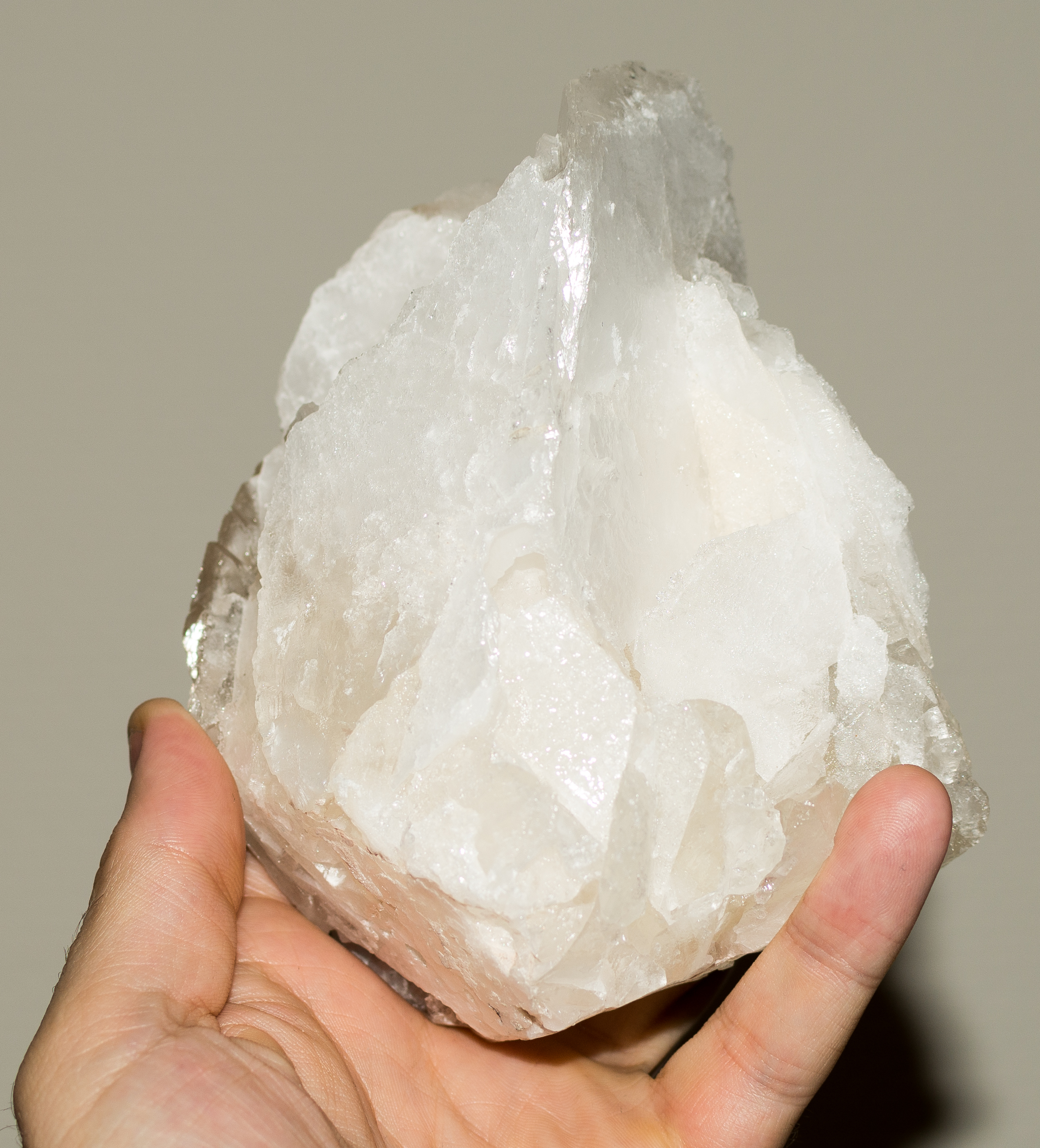
Micro-dissolution or a mild surface reaction strips the glass-like shine. The faces turn cloudy, matte and frosted, or become covered in microscopic pits — the vibrant luster simply disappears.
Prime examples: Selenite/Gypsum · Fluorite (esp. in saltwater) · Calcite
🟤
Oxidation & "Pyrite Disease"Rust / Decay
Water reacts with iron sulfides or oxides and kick-starts rapid degradation — ugly matte-brown or orange crusts. With pyrite it triggers "pyrite disease," an auto-catalytic reaction that creates sulfuric acid, cracking and decaying the specimen until it crumbles into grey powder.
Prime examples: Pyrite · Marcasite · Hematite · Magnetite
🕸️
Crazing & FissuringStructural Shock
Shifting internal moisture or thermal shock (water too hot or cold for the room) forces rapid expansion or contraction, opening a network of tiny web-like fractures. Clarity and light-play are ruined and the stone turns dangerously brittle.
Prime examples: Opal · Turquoise · Amber
☠️
Leaching, Discoloration & ToxicityColour Loss / Toxic
Water pulls chemical elements out of the matrix, or reacts with copper-bearing minerals. The stone loses its rich colour and velvety texture — and the water itself can become highly toxic, leaving behind a poisonous residue or slurry.
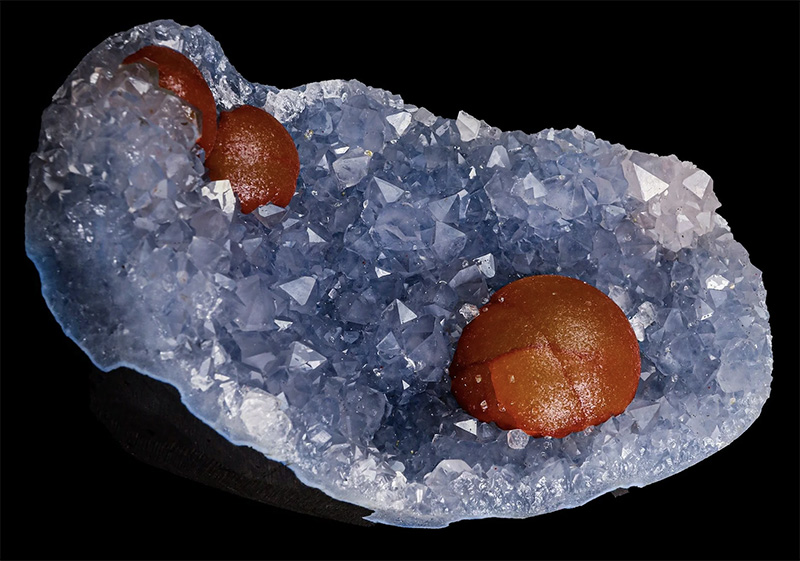
Prime examples: Malachite · Azurite · Tangerine Quartz (its topical iron coating washes away)
Real specimens · tap any to enlarge
🖼 Vulnerable Minerals & Their Risk
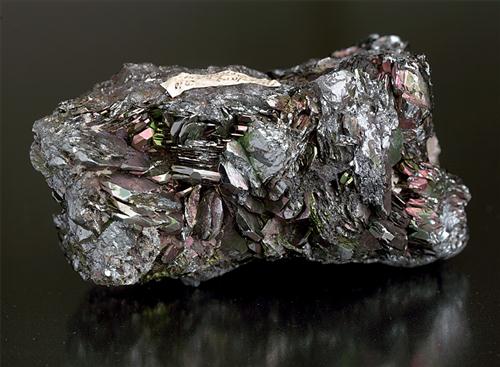
Pyrite
Pyrite Disease
Hematite
Oxidation
Magnetite
Oxidation
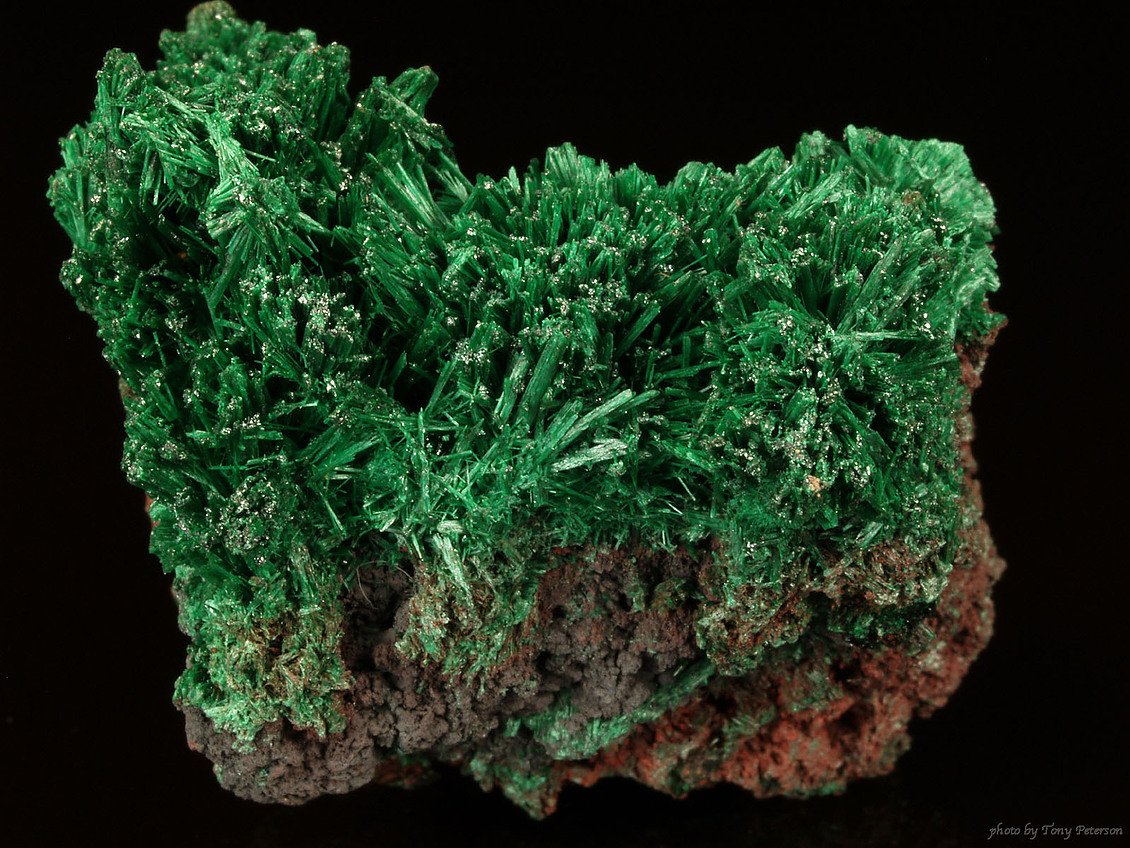
Malachite
Leach · Toxic
Azurite
Leach · Toxic
Cinnabar
Toxic (Mercury)
Fluorite
Etching
Calcite
Etching
Celestine
Slow Dissolution
Cryolite
Slow Dissolution
Rhodochrosite
Slow Dissolution
Phosgenite
Slow Dissolution
The collector's rule of thumb
📏 Hardness Is Only the Start
As a starting line, use the Mohs hardness scale: any mineral below about 5–6 should generally be kept away from water. But the deeper rule is this — chemistry always overrides hardness. Pyrite and hematite are physically hard (Mohs 5–6.5), yet their metallic chemistry makes them highly vulnerable to water damage through rust. When in doubt, dry-dust with a soft brush and never submerge.
The most extreme cases
🌊 Crystals That Dissolve in Air & Water
A handful of minerals are so soluble that they are barely stable at all. Several are deliquescent — they pull moisture straight out of the air and liquefy on their own, no bowl of water required. These belong in sealed, desiccated containers.
Crystal
Damage Type
Mechanism / Result
Tachyhydrite
Catastrophic
Extreme deliquescence: spontaneously liquefies from atmospheric humidity alone.
Tamarugite
Catastrophic
Highly soluble sodium-aluminium sulfate; vanishes in liquid.
Teschemacherite
Catastrophic
Ammonium bicarbonate; melts away rapidly.
Thenardite
Dissolution & Shock
Absorbs water violently, turning into mirabilite — expanding, cracking and dissolving.
Rare-earth oxalate salt; dissolves easily, ruining the specimen.
The complete reference
📜 Full Water-Sensitive List
All 113 profiled species are below, colour-coded by their main type of water damage. Tap any name and a small box shows exactly what water does to it. The safe rule for every one of them is the same: keep them dry.